
Best Remote Job Websites in 2026:
12 Platforms Compared
 By M. Zaid
- Updated September 26, 2026
- 19 min read
Some links on this page are affiliate links. If you buy through them, Etemora may earn a commission at no extra cost to you. Read our affiliate disclosure
Remote jobs are easier to find than they were a few years ago, but finding the right remote job website is a different problem.
Some platforms focus almost entirely on remote work. Others are general job boards where you need to apply a remote filter. Some specialize in startups, while others are better suited to freelance contracts or experienced professionals.
And there’s another important issue: “Remote” doesn’t always mean “work from anywhere.” A job can be remote but still require you to live in the U.S., work within certain time zones, or have authorization to work in a particular country.
For this comparison, we’re looking at the platforms from a job seeker’s perspective: remote-job coverage, role types, location restrictions, pricing, search tools, and the kind of worker each platform is designed to serve.
- All 12 Platforms at a Glance
- 1. We Work Remotely
- 2. FlexJobs
- 3. Remote OK
- 4. LinkedIn Jobs
- 5. Indeed
- 6. Wellfound
- 7. Remotive
- 8. Working Nomads
- 9. Remote.co
- 10. Toptal
- 11. Upwork
- 12. Naukri
- Best Remote Job Websites by Job Type
- Remote Job Website vs Freelancing Platform
- Free vs Paid Remote Job Websites
- How to Find Legitimate Remote Jobs
- Is the Job Actually Remote?
- Finding Remote Jobs From India
- Remote Jobs With No Experience
- Use AI to Improve Your Job Search
- How to Apply More Effectively
- Remote Job Search Strategy for 2026
- Our Comparison Method
- Frequently Asked Questions
Quick picks
- Best remote-first jobs: We Work Remotely
- Best vetted remote jobs: FlexJobs
- Best for tech & startups: Remote OK
- Best for corporate careers: LinkedIn Jobs
- Best startup jobs: Wellfound
- Best for experienced specialists: Toptal
- Best for freelance work: Upwork
- Best for India: Naukri
All 12 Platforms at a Glance
Here are the platforms we’ll compare:
| Website | Best for | Cost to job seeker | Remote focus |
|---|---|---|---|
| We Work Remotely | Remote-first jobs | Free | Very high |
| FlexJobs | Vetted remote & flexible jobs | Paid | Very high |
| Remote OK | Tech & startup jobs | Free | Very high |
| LinkedIn Jobs | Professional careers | Free / Premium | Medium |
| Indeed | Large job search | Free | Medium |
| Wellfound | Startup jobs | Free | High |
| Remotive | Remote tech & digital jobs | Free | Very high |
| Working Nomads | Location-independent work | Free / paid options | High |
| Remote.co | Remote careers | Free | High |
| Toptal | Experienced specialists | Free to apply | High |
| Upwork | Freelance & contract work | Free to join | Medium |
| Naukri | India-based remote jobs | Free | Medium |
The important distinction is that Upwork is a freelance marketplace rather than a conventional employment job board, while platforms such as LinkedIn and Indeed cover a much broader employment market.
1. We Work Remotely
Best for: Remote-first jobs across tech, design, marketing, support and other professional categories.
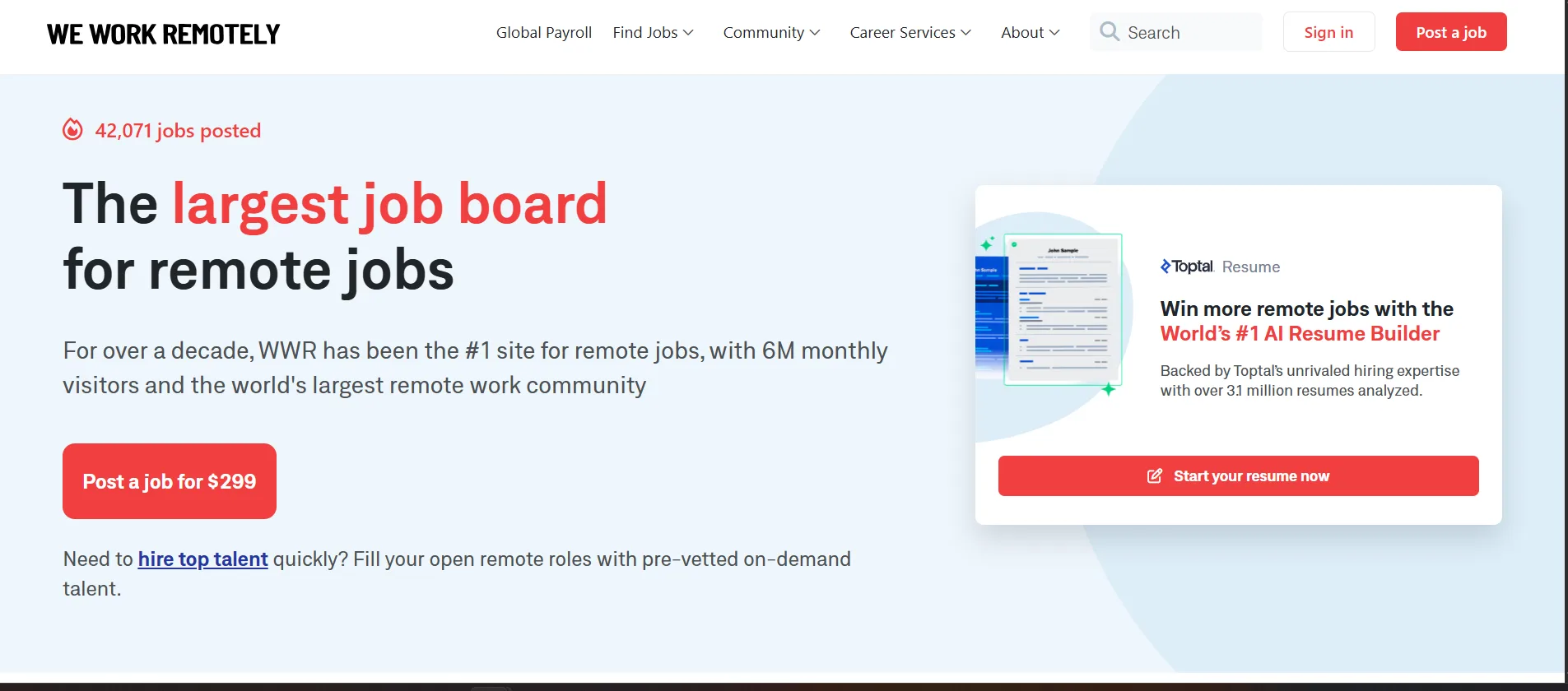
We Work Remotely is built specifically around remote employment rather than adding a “remote” checkbox to a traditional job board. Its current job-seeker page shows thousands of remote listings across categories including programming, design, customer support, sales and marketing, management, finance and product, updated every day.
The platform currently reports more than 42,000 jobs posted and describes itself as the largest remote-focused job board.
Pros
- Dedicated remote-job focus
- Lots of professional categories
- Easy to browse
- Useful for remote-first companies
- No need to filter out huge numbers of office jobs
Cons
- Location restrictions still exist on individual jobs
- Some categories have more opportunities than others
- Entry-level opportunities can be more limited than broad job boards
2. FlexJobs
Best for: People who want remote, flexible, freelance and part-time jobs with additional listing screening.
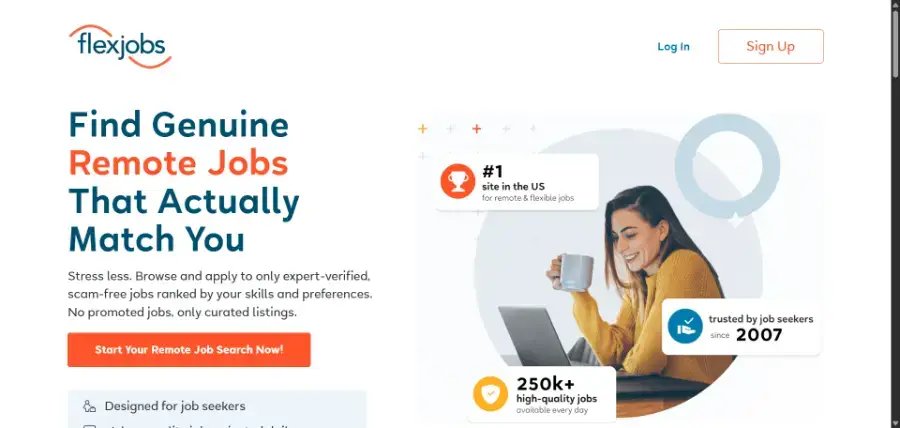
FlexJobs uses a different business model from free job boards. The platform says it screens job listings and companies before including them, and it focuses on remote and flexible employment across more than 50 career fields.
The downside is simple: job seekers pay for access. FlexJobs currently lists a 14-day trial at $2.95, a 3-month plan at $9.95 per month and an annual plan at $5.95 per month billed annually, so it makes the most sense when you are actively applying rather than casually browsing.
Pros
- Remote-focused
- Flexible-work listings
- Listing screening
- Broad career categories
- Useful search filters
Cons
- Paid subscription
- Not necessary for every job seeker
- Value depends on whether relevant jobs exist in your field
3. Remote OK
Best for: Technology, programming and startup-related remote jobs.
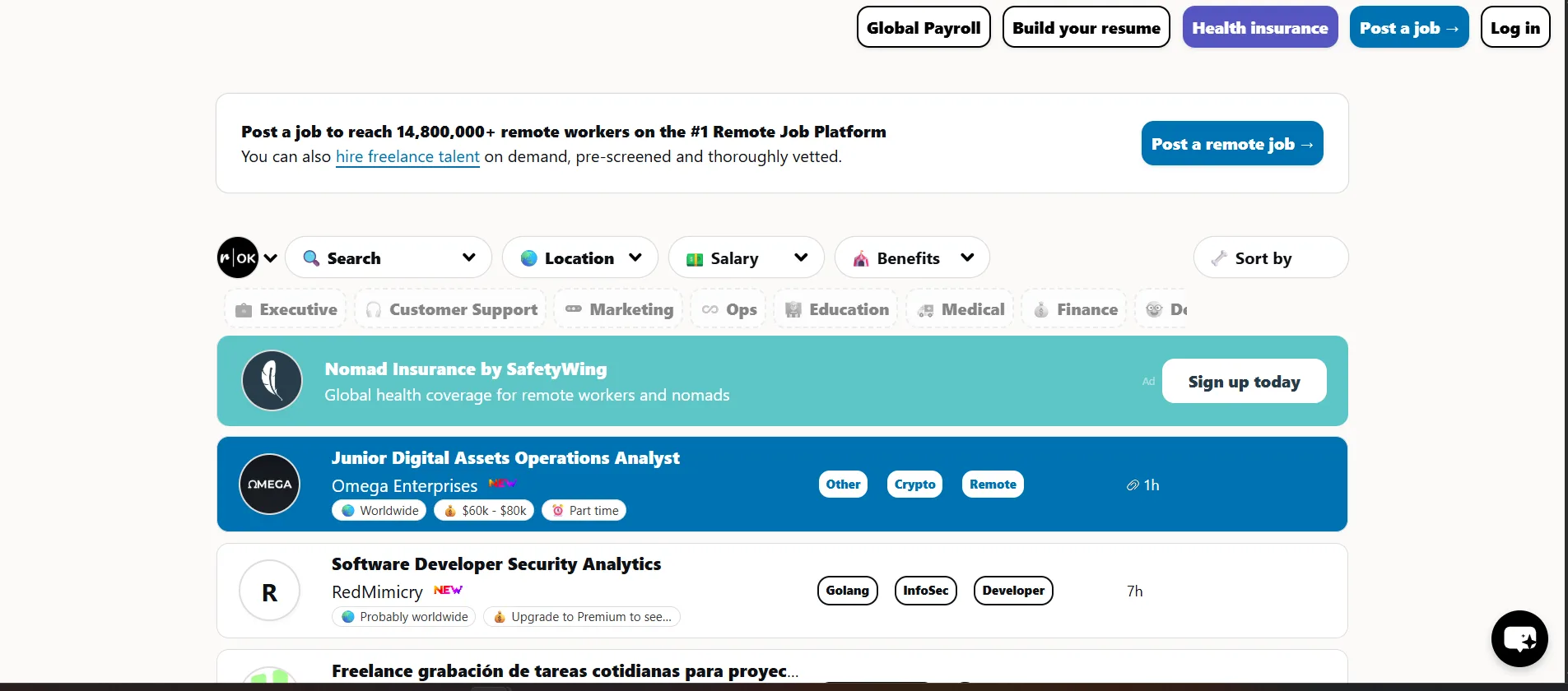
Remote OK is one of the more recognizable remote-specific job boards, particularly among developers and digital workers. It’s useful for people searching for software development, engineering, design, product, digital marketing, support and other online roles.
One thing to watch carefully is location eligibility. A job marked “remote” can still have restrictions such as “Remote — United States only” or “Europe / EU only”, so always open the full listing before applying.
4. LinkedIn Jobs
Best for: Professional and corporate remote jobs.
LinkedIn is fundamentally different from remote-only job boards. It’s a professional network first and a job platform second. That can be useful because your profile, experience, skills, recommendations, connections, portfolio and professional history can all contribute to your job search.
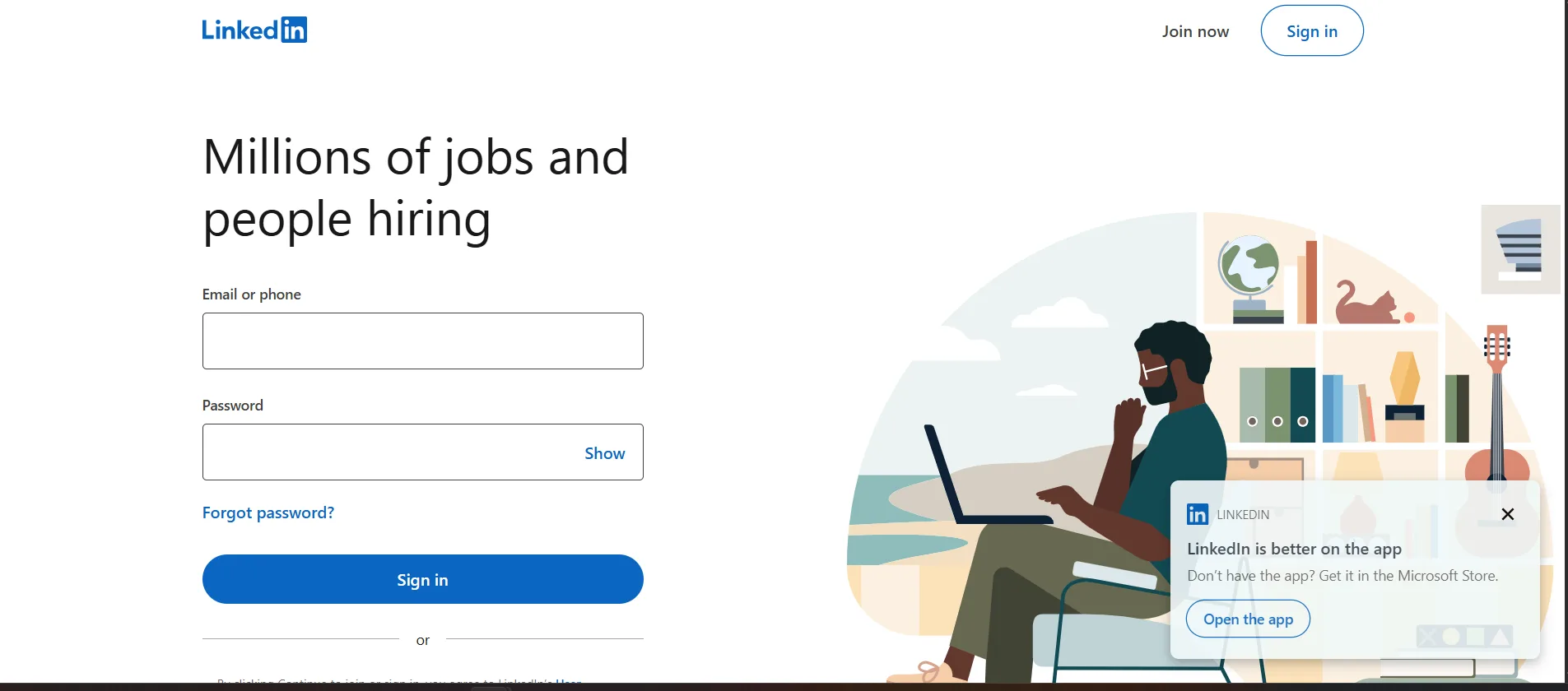
LinkedIn also allows job seekers to search specifically for remote positions. The advantage is breadth: you can search for remote roles at established companies while also using the platform to connect with recruiters.
The downside is that remote doesn’t necessarily mean location-independent. A company may advertise “Remote — United States” rather than “Remote — Worldwide.” Always check the location requirements.
5. Indeed
Best for: High-volume job searching.
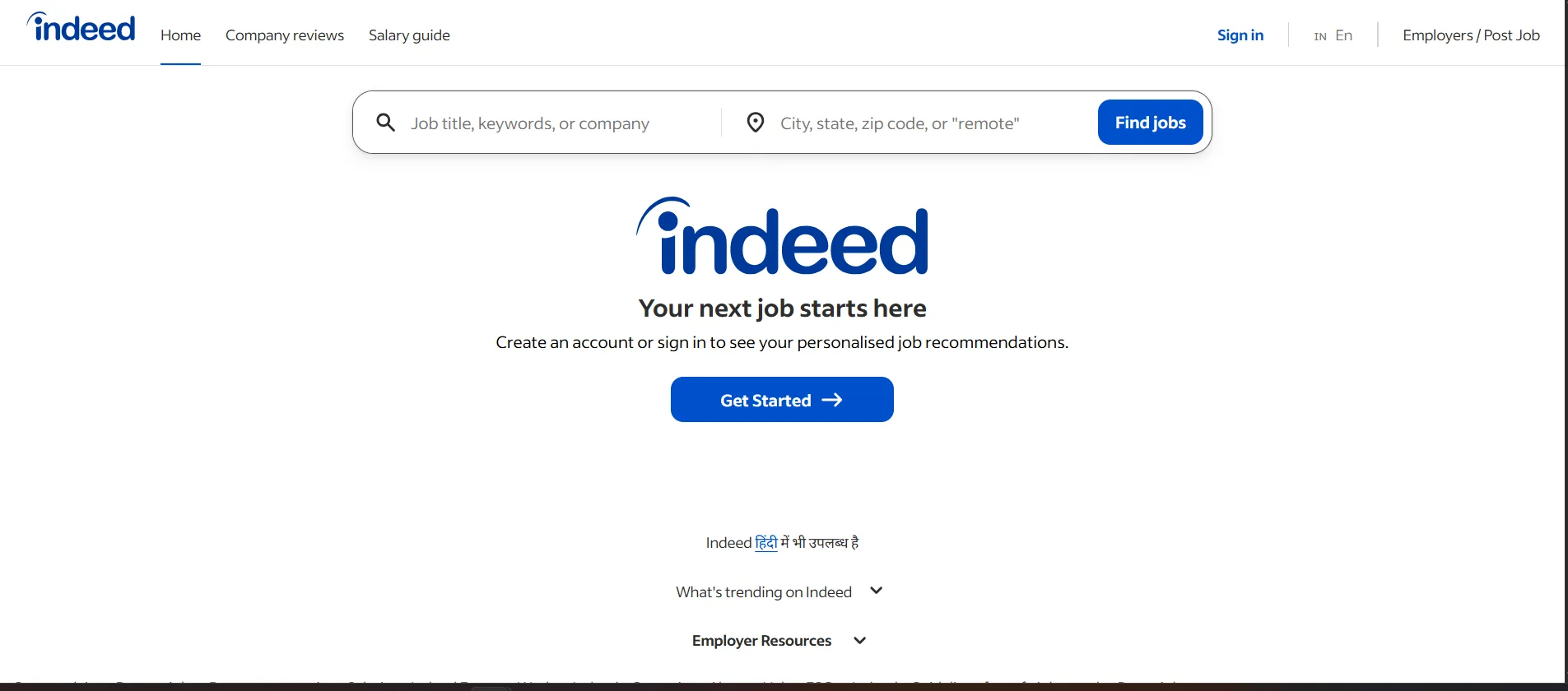
Indeed is one of the broadest job-search platforms, rather than a remote-only website. That can actually be useful — you can search for remote jobs, work-from-home jobs, part-time remote jobs, customer support, administrative work, marketing, sales, technology, healthcare, finance and entry-level roles all in one place.
Indeed is free for job seekers. The trade-off is that you may need to filter through more listings than on a remote-only platform.
6. Wellfound
Best for: Remote startup jobs.
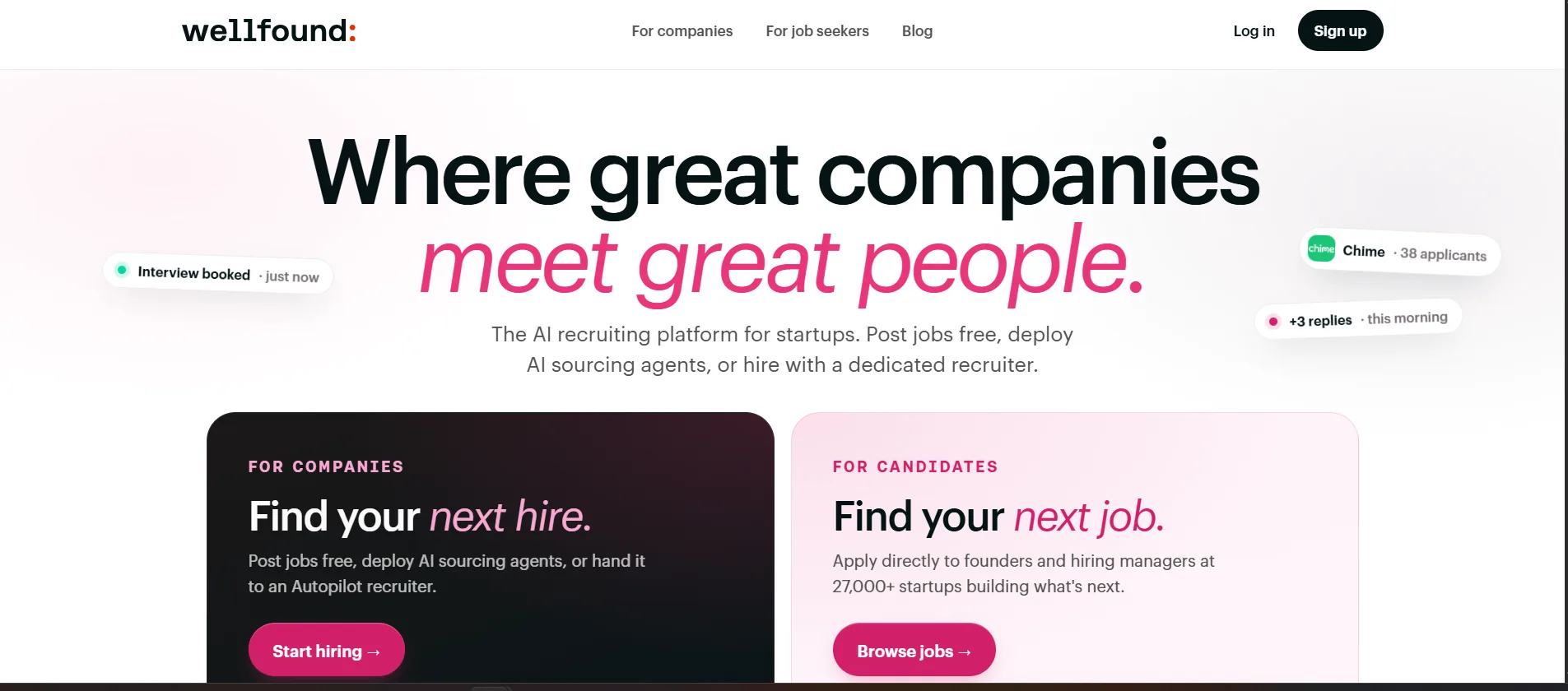
Wellfound is particularly interesting if you want to work for startups. Its remote-job platform shows remote roles with information such as salary, equity, remote policy, timezone requirements and location eligibility. Job seekers can create profiles and apply for jobs for free, and can specify remote preferences to see whether a company hires from their location — extremely useful because “remote” can mean very different things between companies.
Wellfound is particularly useful for software engineers, product managers, designers, data professionals, growth marketers, sales, operations and startup specialists. It currently advertises 27,000+ startups hiring across its platform.
7. Remotive
Best for: Remote technology, marketing and digital roles.
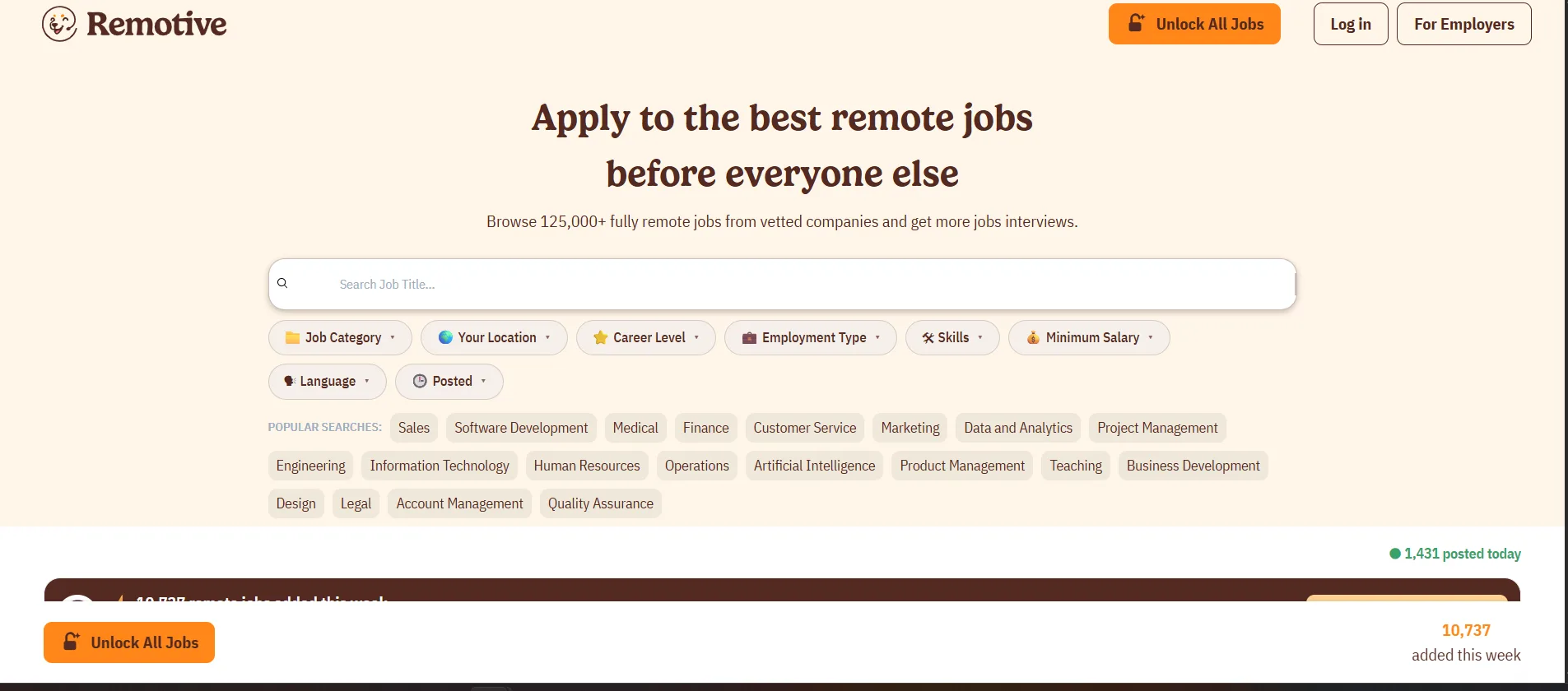
Remotive focuses specifically on remote work and is particularly relevant for people working in software, product, marketing, design, customer support and sales. It’s a useful alternative to relying entirely on giant job boards — for someone who already knows their career category, specialist remote boards can reduce the amount of irrelevant searching.
8. Working Nomads
Best for: People looking for location-independent work.
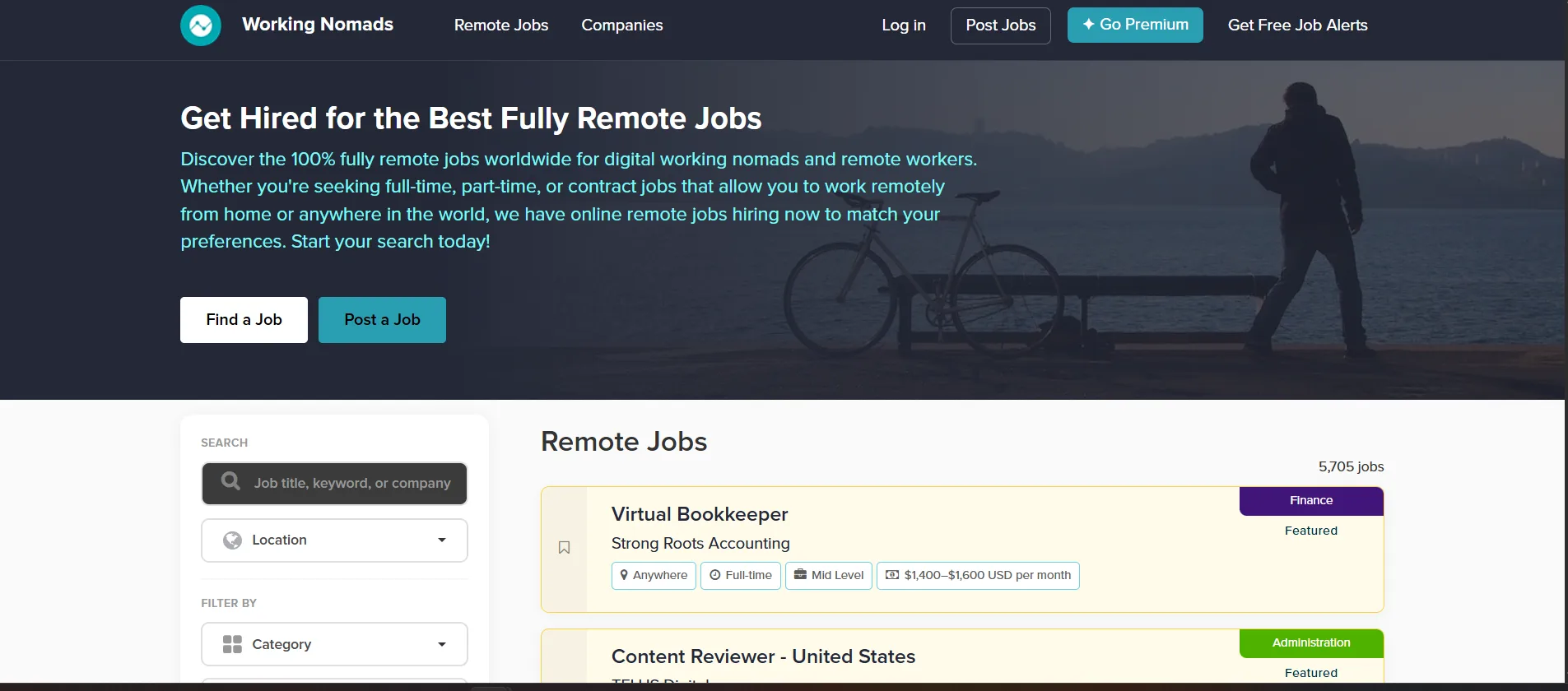
Working Nomads is designed around remote and location-independent jobs. It’s particularly relevant if your goal isn’t simply “I want to work from home” but rather “I want a job that allows me to work from different locations.” That’s an important distinction — a remote employee might still be required to live in a particular country, while a location-independent contractor may have considerably more flexibility. Always check the employer’s eligibility requirements before applying.
9. Remote.co
Best for: People researching remote careers and remote employers.
Remote.co focuses on remote work and also publishes resources around working remotely. FlexJobs identifies Remote.co as its sister site and describes it as focusing on fully remote opportunities. It’s useful for remote job browsing, career research, remote-work resources and understanding remote companies.
For someone just starting their remote-job search, it’s worth adding to the list alongside a larger platform such as LinkedIn or Indeed.
10. Toptal
Best for: Experienced professionals in specialized fields.
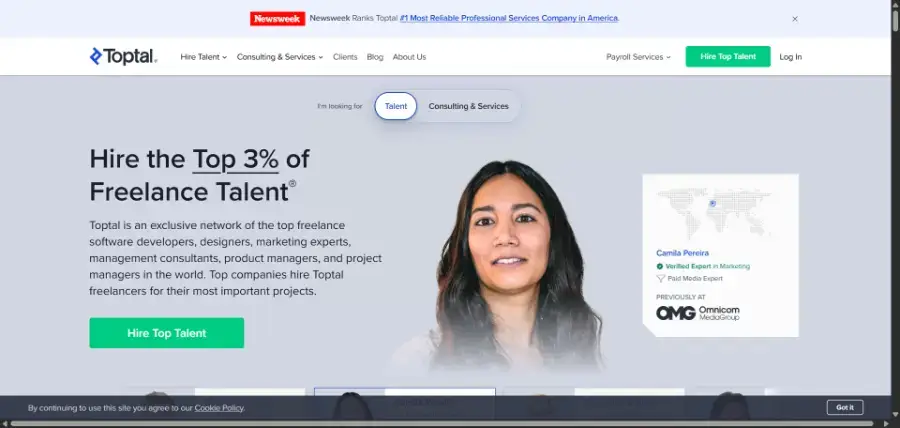
Toptal is different from a normal job board. It operates as a curated talent network and focuses heavily on experienced professionals in areas such as software development, design, finance, project management and consulting.
The trade-off is the screening process. This isn’t the platform to point a complete beginner toward if they’re simply looking for their first online job. But experienced professionals looking for remote contract work may find the model more relevant.
11. Upwork
Best for: Freelance and contract work.
Upwork technically belongs in a slightly different category. You’re not normally applying for a conventional permanent remote employee role. Instead, you can find freelance projects, hourly contracts, fixed-price contracts, consulting work and recurring clients.
Upwork’s current Basic plan is free, while Freelancer Plus is listed at $19.99/month; freelancer service fees vary by contract and are currently listed at 0–15%.
If you’re interested in freelance work rather than employment, Etemora already has a detailed comparison: Best Freelancing Platforms in 2026 →. And this comparison is useful if you’re deciding between the two major freelance models: Upwork vs Fiverr →.
12. Naukri
Best for: People searching for remote work specifically in the Indian employment market.
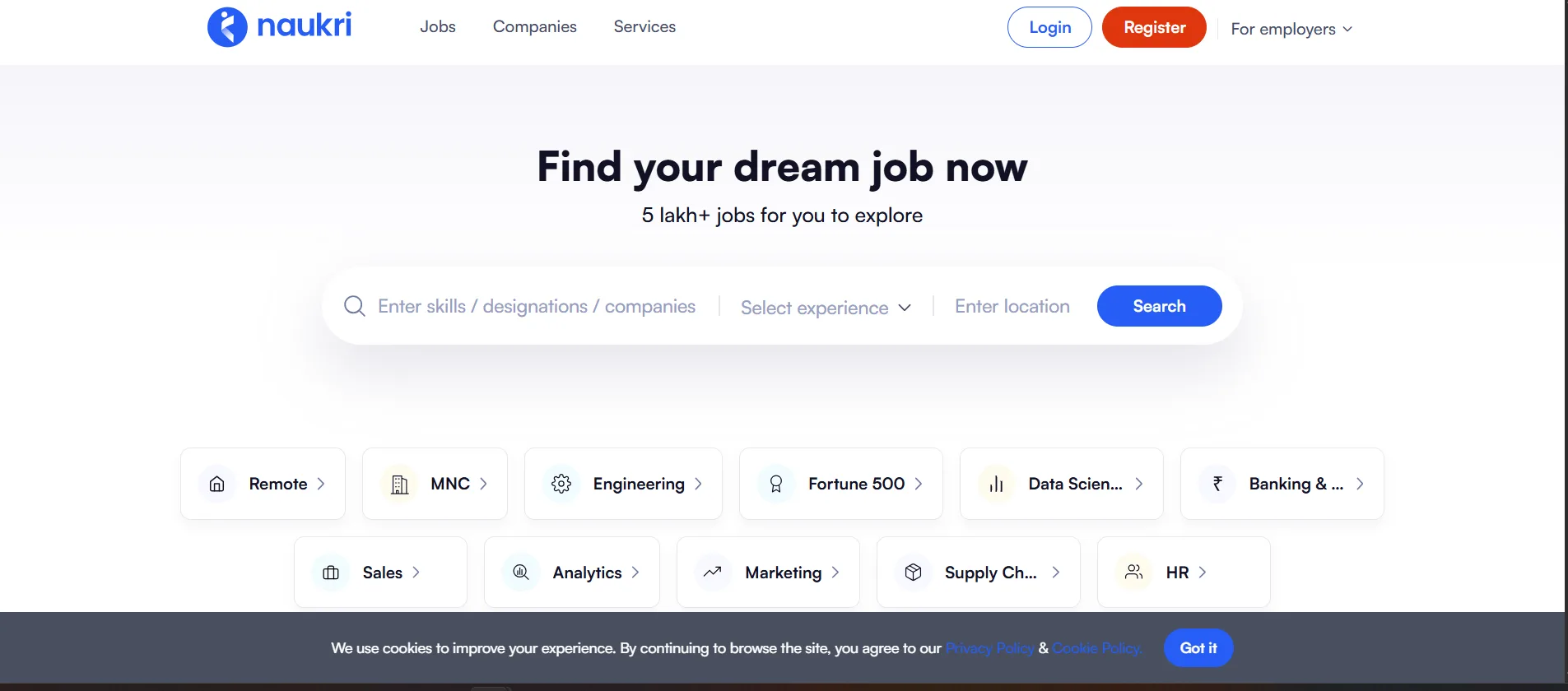
If you’re based in India, don’t limit yourself to American remote-job websites. Naukri remains one of the major India-focused employment platforms, and remote roles can be searched alongside other employment opportunities.
For Indian applicants, the important question is often: does the employer actually hire people in India? A job marked “remote” doesn’t necessarily mean international hiring. Naukri, Cutshort, Turing, Wellfound and LinkedIn are among the platforms most relevant to India-based remote job seekers, though global boards often carry country restrictions.
Best Remote Job Websites by Job Type
Instead of asking which website is “best” for everyone, match the platform to the job you’re actually trying to find.
| If you want… | Platforms to check |
|---|---|
| Remote-first jobs | We Work Remotely, Remote OK |
| Corporate remote jobs | LinkedIn, Indeed |
| Startup jobs | Wellfound |
| Vetted remote jobs | FlexJobs |
| Tech jobs | Remote OK, Wellfound, Remotive |
| Freelance work | Upwork |
| Senior specialist contracts | Toptal |
| Location-independent work | Working Nomads |
| India-based remote jobs | Naukri, LinkedIn, Wellfound |
| Marketing jobs | LinkedIn, We Work Remotely, Remotive |
| Customer support | We Work Remotely, Indeed, LinkedIn |
| Design jobs | We Work Remotely, LinkedIn, Wellfound |
| Developer jobs | Remote OK, Wellfound, We Work Remotely |
Remote Job Website vs Freelancing Platform
This distinction is important. A remote job website normally helps you find an employer. A freelancing platform helps you find clients.
Remote employment
You might receive:
- Salary
- Employee benefits
- Paid leave
- Fixed working hours
- Employment contract
Examples: LinkedIn, Indeed, Wellfound, FlexJobs, We Work Remotely
Freelancing
You generally:
- Find clients
- Negotiate projects
- Charge per project or hour
- Manage your own workload
- Potentially work with multiple clients
Examples: Upwork, Fiverr, Contra, Toptal
If you’re unsure which model fits you, read: Upwork vs Fiverr: Full Comparison →
Free vs Paid Remote Job Websites
One of the biggest questions is: why should I pay for a job website when LinkedIn and Indeed are free? Fair question.
Free platforms generally give you access to job listings, filters, applications and alerts. Paid platforms may charge because they provide additional screening, career tools, curated listings or other services.
FlexJobs is the clearest example. Its model is subscription-based: job seekers pay for access to its screened listings.
Don’t pay simply because a site says it has remote jobs. Before subscribing, check:
- How many jobs actually match your skill?
- Does it accept applicants from your country?
- Are salary ranges visible?
- How frequently are listings updated?
- Does it offer something free platforms don’t?
- Can you cancel easily?
How to Find Legitimate Remote Jobs
Remote work has one major problem: scammers know people want remote jobs. Be careful with any opportunity that:
- Asks you to pay to get hired
- Asks for unusual upfront payments
- Promises unrealistic income for almost no work
- Asks you to buy equipment from a specific seller
- Requests sensitive financial information too early
- Communicates only through suspicious personal accounts
- Has no verifiable company presence
- Asks you to deposit money or cryptocurrency
- Pressures you to act immediately
A legitimate employer should be able to provide a clear company identity and understandable hiring process.
How to Check Whether a Remote Job Is Actually Remote
Before applying, look for these details:
1. Location
Does it say Worldwide or Remote — United States only? Huge difference.
2. Time zone
Some companies require U.S. Eastern Time, Pacific Time, European time, or a specific overlap window.
3. Employment eligibility
A company may only be legally able to employ people in certain countries.
4. Employee vs contractor
“Remote contractor” and “remote employee” aren’t necessarily the same arrangement — read the job description carefully.
5. Travel requirements — some supposedly remote jobs require occasional travel. 6. Working hours — “remote” doesn’t automatically mean flexible hours.
Finding Remote Jobs From India
If you’re applying from India, add another layer to your search. Look for the terms: India, Worldwide, Asia, APAC, IST, India-friendly, Contractor, Global remote.
Wellfound is particularly useful here because its remote preferences include timezone and location eligibility, and its listings can specify where a company hires remotely.
Don’t assume that a $100,000 U.S. remote position is automatically open to an Indian applicant. The listing’s “Hires Remotely From” information matters.
How to Get a Remote Job With No Experience
This is where a lot of remote-job articles become unrealistic. You don’t necessarily need years of experience. But you need evidence that you can perform the work.
| Want this kind of job? | Build this instead of a plain resume |
|---|---|
| Writing | 3–5 writing samples |
| Design | A small portfolio |
| Customer support | Communication, CRM and problem-solving examples |
| Social media | Sample posts and a small portfolio |
| Web development | Projects built and put online |
| Virtual assistant | Organization, spreadsheet and admin skills |
| AI-related work | Examples showing how you use AI to improve a real workflow |
That’s much stronger than simply writing “I’m hardworking and passionate.”
Use AI to Improve Your Remote Job Search
AI can help with the boring parts of the process: improving your resume, tailoring applications, analysing job descriptions, preparing interview questions, practicing interviews, writing cover letters, identifying missing skills, organizing applications and researching companies.
But don’t send the same AI-generated application to every employer. A better workflow is:
Job description → identify requirements → customize resume → write relevant application → proofread → apply
Etemora has already compared several AI tools that can help with writing, research and productivity: Best AI Tools for Work in 2026 →
For resume and application writing specifically: Best AI Writing Tools in 2026 →
How to Apply for Remote Jobs More Effectively
Don’t apply to 100 jobs with exactly the same resume. Instead:
| Step | What to do |
|---|---|
| 1. Pick your target role | e.g. “SEO Content Writer” |
| 2. Pick 2–3 job platforms | e.g. LinkedIn, We Work Remotely, Upwork |
| 3. Build one strong profile | Headline, skills, experience, portfolio and resume all support the same role type |
| 4. Create targeted applications | Highlight the specific skills mentioned in the job description |
| 5. Track applications | Company, role, platform, date, status, follow-up in a simple spreadsheet |
| 6. Follow up | Don’t send five applications to the same company — keep it organized |
Remote job websites vs applying directly: you don’t always have to apply through a job board. Once you find a company you like, check its own careers page — companies sometimes post positions there before or instead of distributing them widely across job boards.
Remote Job Search Strategy for 2026
You don’t need 15 accounts. A practical setup is:
- For corporate jobs: LinkedIn + Indeed
- For remote-first jobs: We Work Remotely + Remote OK
- For startup jobs: Wellfound + LinkedIn
- For freelance work: Upwork + Fiverr
- For India: Naukri + LinkedIn + Wellfound
- For experienced specialists: LinkedIn + Toptal + specialist boards
The goal isn’t to create more accounts. The goal is to find relevant jobs faster. A simple weekly workflow could look like this:
| Day | Focus |
|---|---|
| Monday | Search new listings on 2–3 platforms |
| Tuesday | Apply to the strongest matching positions |
| Wednesday | Improve your portfolio or resume |
| Thursday | Search company career pages |
| Friday | Follow up on previous applications |
| Weekend | Build one new portfolio project or skill |
This creates a much more sustainable job search than spending six hours refreshing job boards every day.
Our Comparison Method
Etemora evaluates remote job platforms based on practical job-seeker factors rather than simply counting the number of listings. We look at remote-job focus, role variety, location flexibility, country restrictions, search filters, salary transparency, startup access, freelancer vs employee model, pricing, application process, screening/vetting, and usefulness for both beginners and experienced professionals.
We also distinguish between remote, remote-first, work-from-anywhere, freelance, and contract opportunities — those labels aren’t interchangeable. Wellfound, for example, explicitly shows timezone and hiring-location information on remote listings, which makes location eligibility easier to evaluate than on platforms that don’t.
Best Remote Job Websites: Final Takeaway
There isn’t one remote-job website that fits every career.
If you want remote-first employment, start with platforms such as We Work Remotely, FlexJobs and Remote.co. If you want startup opportunities, Wellfound is designed specifically around startup hiring with location and timezone preferences built in. If you want professional corporate roles, LinkedIn and Indeed give you a much broader employment search. If you want freelance work, use Upwork or other freelance marketplaces instead of treating them like normal employment boards. And if you’re applying from India, pay particular attention to the countries and time zones the employer actually supports.
The best strategy is usually not to pick one website and wait. Use two or three platforms that match your type of work, keep your profile and portfolio targeted, and check the actual location eligibility before spending time on an application.
Frequently Asked Questions
What is the best website to find remote jobs?
The right platform depends on the type of work. We Work Remotely focuses specifically on remote roles, FlexJobs focuses on remote and flexible work with additional listing screening, LinkedIn and Indeed cover broad professional employment, and Wellfound focuses on startup hiring.
Are remote jobs really work from anywhere?
Not necessarily. Many remote jobs restrict applicants by country, state, timezone or employment eligibility. Always check the location requirements before applying.
Can I find remote jobs from India?
Yes. India-based applicants can use Naukri and LinkedIn alongside global platforms such as Wellfound and We Work Remotely, but each individual listing needs to be checked for India eligibility.
Are remote job websites free?
Many are free for job seekers. LinkedIn, Indeed, Wellfound, We Work Remotely and Upwork offer free access, while FlexJobs uses a paid subscription model.
Is Upwork a remote job website?
Upwork is primarily a freelance marketplace rather than a conventional remote employment job board. It is better suited to project-based, hourly and contract work.
Are remote jobs safe?
Many are legitimate, but scams exist. Never pay an employer to get hired, and verify the company, job description, contact information and hiring process before providing sensitive information.
Can beginners get remote jobs?
Yes, but the available roles depend heavily on your skills and experience. Beginners can improve their chances by building a portfolio, creating targeted applications and looking for entry-level roles rather than applying indiscriminately.
How many remote jobs should I apply for?
There isn’t a useful universal number. Relevance matters more than sending the same application to hundreds of companies. Focus on jobs where your skills and location genuinely match the requirements.
Still deciding? Pick two or three platforms that match your type of work, build one genuinely targeted profile, and check the actual “hires from” location on a listing before you spend an hour on the application. Most job searches stall not from a lack of platforms, but from applying broadly instead of specifically.
Browse more freelancing & remote work guides →Setting up the rest of your remote-work toolkit too? Our other comparisons cover the best freelancing platforms, Upwork vs Fiverr, the best AI tools for work, the best AI writing tools and how to make money online.
Affiliate Disclosure: Some links on this page are affiliate links. If you sign up through them, Etemora may earn a commission at no additional cost to you. It never changes which platform we recommend. Learn more →
Related articles you may like
 FreelancingUpwork Fees Explained: Complete 2026 Guide
 FreelancingHow to Start Freelancing: 7 Proven Steps in 2026
 FreelancingHow to Make Money Online in 2026: 15 Legit Ways & Platforms
 FreelancingUpwork vs Fiverr: Which Platform Is Right for Freelancers?
 FreelancingBest Freelancing Platforms in 2026: 10 Websites Compared
 Tech & SoftwareHostinger vs WP Engine 2026: Which WordPress Host Is Better?