
Remote Jobs With No Experience: 10 Real Options for 2026
 By M. Zaid
- Updated October 26, 2026
- 16 min read
Finding remote jobs with no experience is possible in 2026, but it takes a clear plan. Plenty of work-from-home roles train you on the job, pay per task, or care more about reliable typing and clear communication than about a long CV. The same market is also full of fake offers aimed at beginners, so knowing where to look matters as much as knowing what to apply for.
This research-based guide covers 10 remote jobs with no experience required, what official sources say about the pay, where to find real openings, a 30-day starter plan, and how to spot job scams using FTC advice. Every fact was checked on official pages in October 2026. It is written mainly for US readers, but most of the steps work anywhere.
Quick answer: The easiest remote jobs with no experience are customer service, data entry and office support, transcription and captioning, website and app testing, online research studies, virtual assistant work, freelance micro-services, bookkeeping support and virtual reception. Employee roles (like customer service) give steadier pay and on-the-job training; task-based work (like Rev, UserTesting or Prolific) is easier to start but less predictable. Never pay to get a job.
Want trusted places to search first?
See the Best Remote Job Websites →Remote Jobs With No Experience: Quick Answer
“No experience” rarely means “no skills”. It usually means the employer or platform will accept you without previous work in that exact job, as long as you can show basic skills such as typing, writing clearly or staying organised. Remote jobs with no experience fall into three groups:
| Type | Examples | Best for |
|---|---|---|
| Entry-level employee | Customer service rep, office clerk, virtual receptionist | Steady hours, training on the job, tax withheld from pay |
| Task-based platform | Transcription, captioning, website testing, research studies | Flexible hours and a fast, low-barrier start |
| Freelance services | Virtual assistant, micro-services, bookkeeping help | Building your own clients and raising rates over time |
If you need dependable income, aim for an entry-level employee role first. If you need flexibility or a side income, task-based platforms are the quickest way in. Freelancing takes longer to build but has the highest ceiling.
10 Best Remote Jobs With No Experience
These ten options come up again and again in official job information and platform pages as work that beginners can realistically start. Pay and availability depend on your location, the employer and your skills, so always check the current listing.
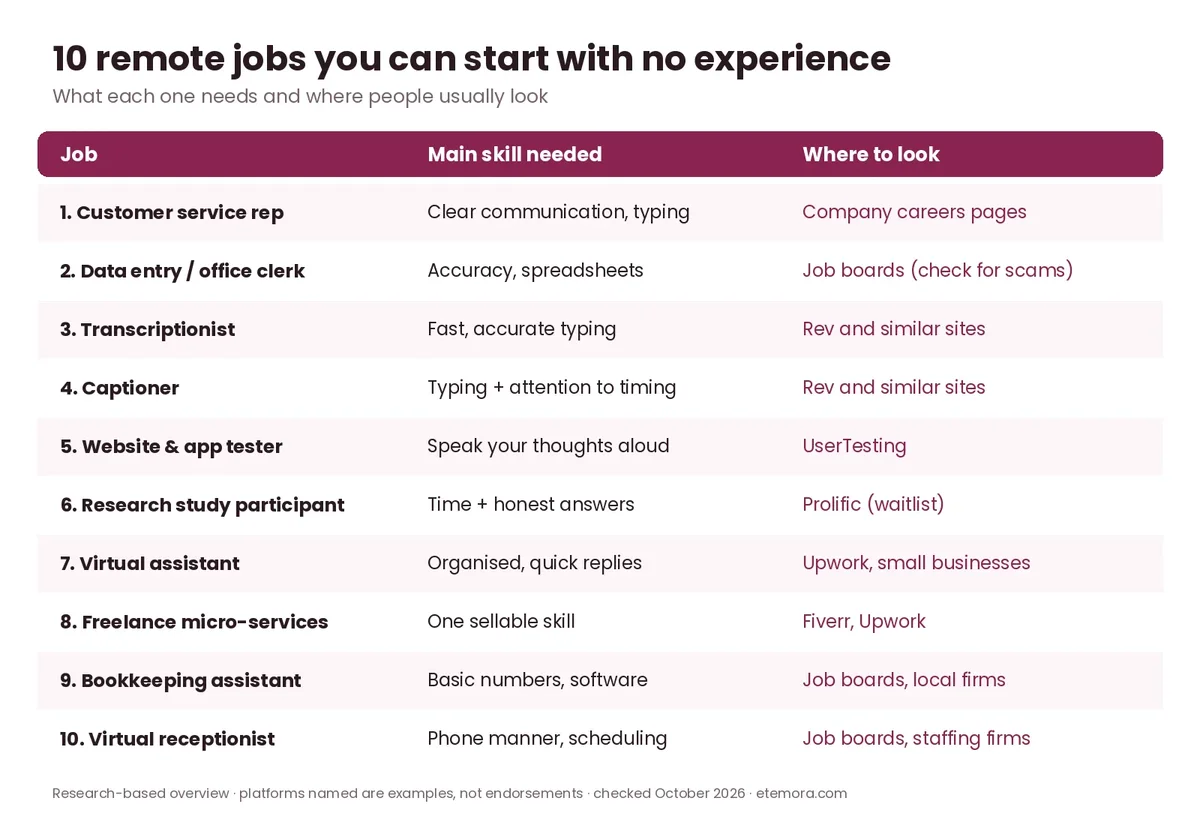
1. Customer service representative
Customer service is the classic entry point. The U.S. Bureau of Labor Statistics (BLS) lists the typical entry-level education as a high school diploma or equivalent, related work experience as “None”, and short-term on-the-job training. Many companies run remote support teams that answer customers by phone, chat or email.
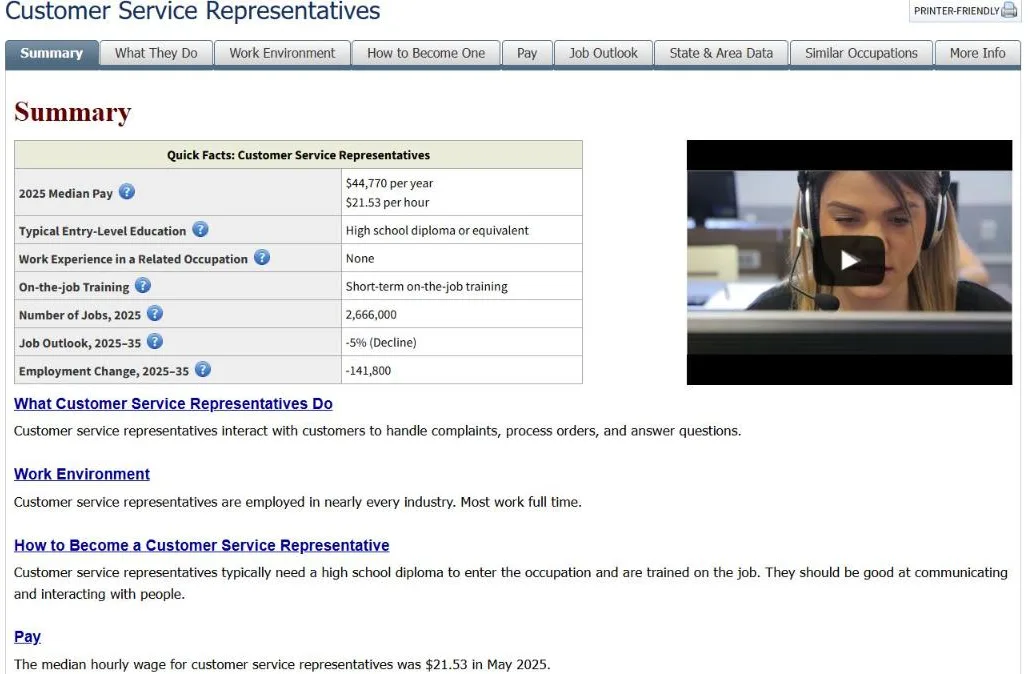
Big employers advertise remote roles too. Amazon’s hiring site, for example, lists a remote Customer Service Associate role where you “prevent and solve customer issues while working from home”, and mentions free on-the-job training. Openings depend on your location, so search the careers page for your area.
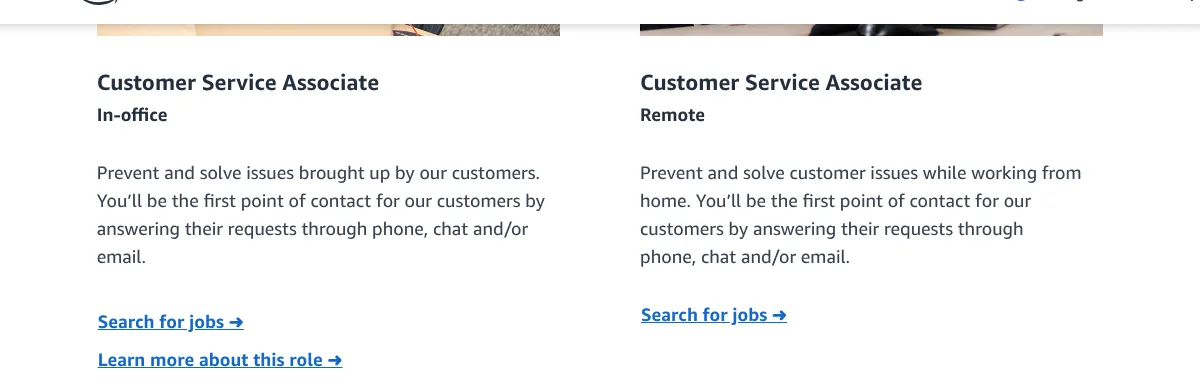
One thing to know: BLS projects customer service employment to decline 5% from 2025 to 2035 as more tasks are automated, but still expects about 289,500 openings each year because people leave the job. Entry-level demand is not going away, but competition can be stiff.
2. Data entry and remote office support
Data entry means keeping spreadsheets, databases and records accurate. BLS says general office clerks typically need a high school diploma, no related experience and short-term on-the-job training. Accuracy and spreadsheet basics matter more than a degree. This is also one of the job titles scammers love, so check every employer carefully (see the scam section below).
3. Transcriptionist
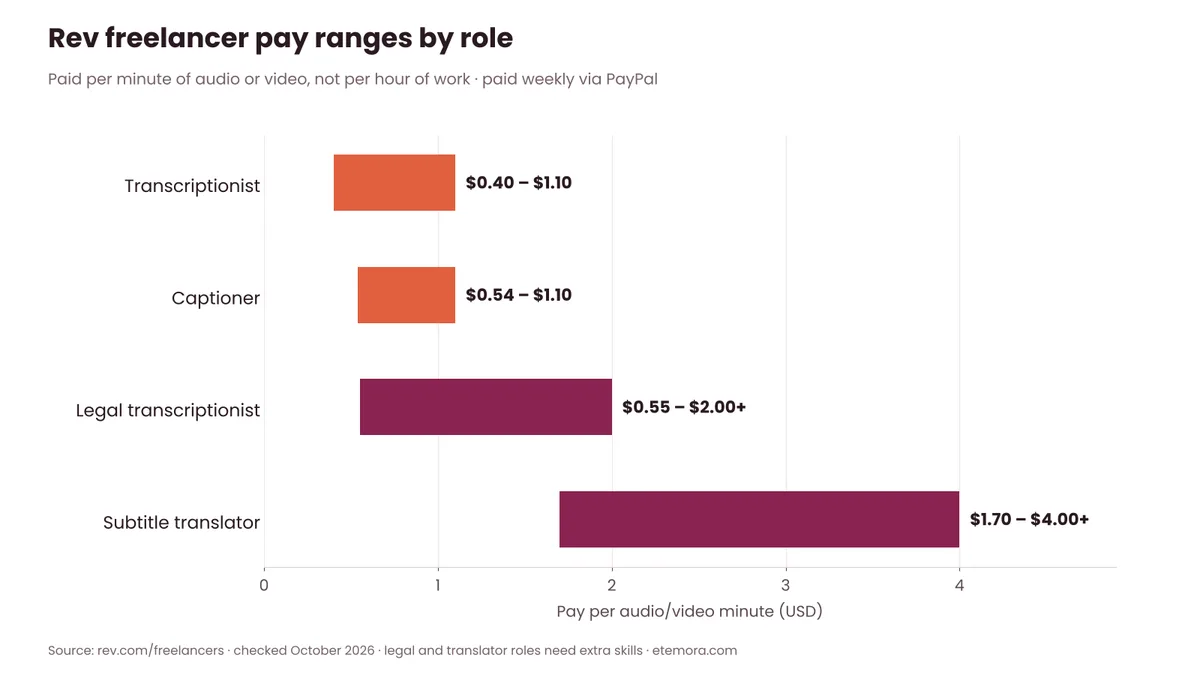
Transcriptionists listen to audio and type what is said. Rev, one of the best-known platforms, says it hires freelance transcriptionists, captioners and subtitle translators, that you can set your own hours, and that it pays weekly via PayPal. Its general transcription role lists pay of $0.40–$1.10 per audio/video minute and is described as best for people with strong English grammar and fast, accurate typing.
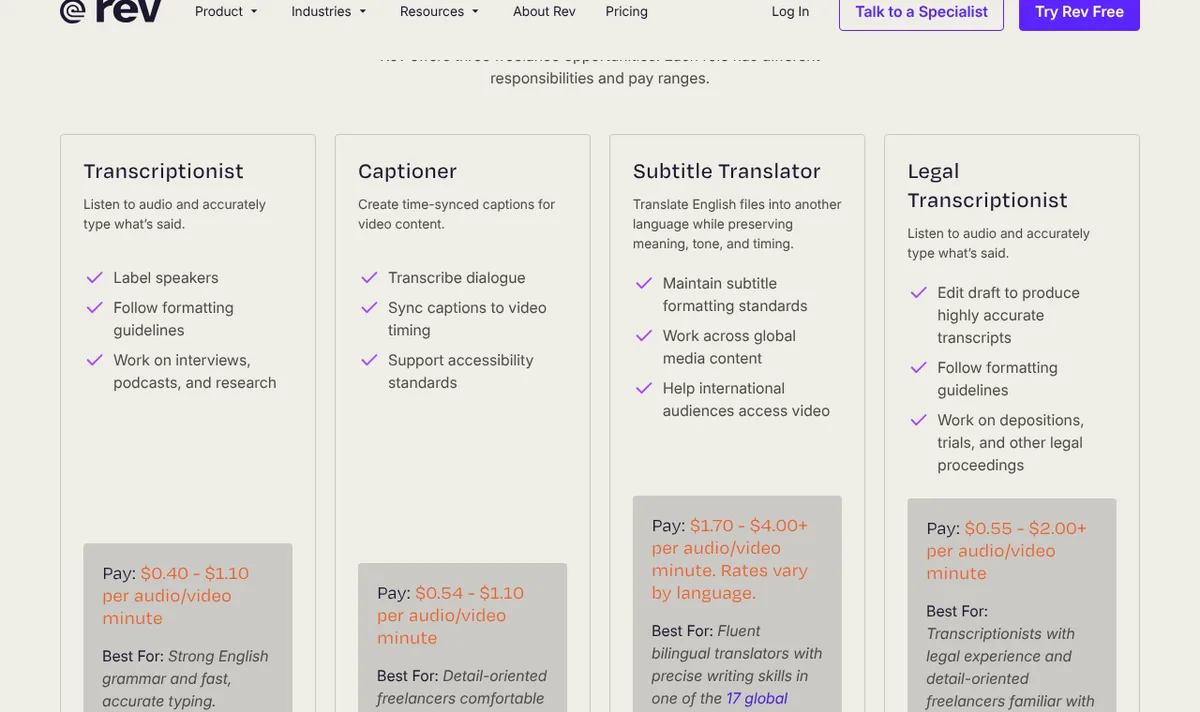
Note that pay is per audio minute, not per hour of your time. One minute of audio can take several minutes to type and check, especially at first, so your real hourly earnings depend heavily on speed.
Good at typing and grammar?
See Rev’s Freelancer Roles →4. Captioner
Captioning is close to transcription, but you also sync the text to the video timing. Rev lists captioner pay at $0.54–$1.10 per audio/video minute and says the role suits detail-oriented freelancers comfortable with video. Its legal transcription and subtitle translation roles pay more but need legal experience or fluency in a second language, so they are better as a second step.
5. Website and app tester
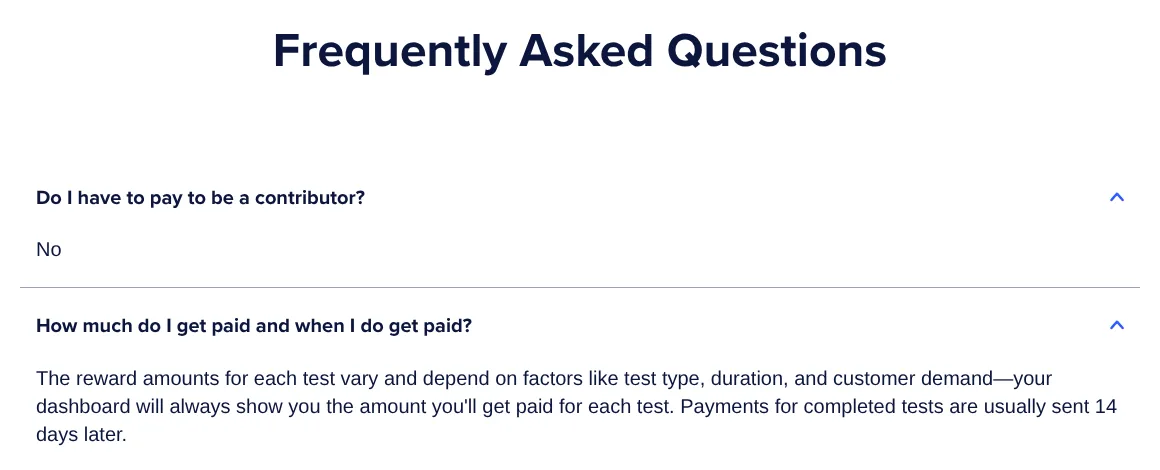
Usability-testing companies pay people to try websites and apps and share what they think, often by speaking their thoughts aloud while recording the screen. UserTesting’s FAQ says you do not have to pay to be a contributor, that reward amounts vary by test type, length and demand, and that payments are usually sent 14 days after a completed test.
Testing is a good side income, not a full-time job. The number of tests you get depends on whether you match what companies are looking for.
6. Online research study participant
Platforms such as Prolific connect researchers and AI teams with people who take paid studies: surveys, decision-making games, and tasks that evaluate AI models. Prolific says it always pays in real money (not gift cards), that new participants join a waitlist first, and that identity verification takes about 15 minutes once you are invited.

7. Virtual assistant
Small business owners need help with email, scheduling, research and simple admin. If you are organised and reply quickly, virtual assistant (VA) work is one of the easiest freelance jobs to start. Freelance marketplaces such as Upwork let you create a profile for free. Be careful with unsolicited VA offers, though: the FTC specifically warns about fake virtual assistant jobs that use fake checks.
8. Freelance micro-services
If you have one sellable skill (simple graphics, proofreading, spreadsheet clean-up, short voiceovers), you can package it as a small service on a marketplace like Fiverr or Upwork. Start with a narrow offer and a few samples. Our Upwork vs Fiverr comparison explains how the two platforms differ for beginners.
9. Bookkeeping assistant
Bookkeeping clerks keep financial records up to date. BLS lists “some college, no degree” as typical entry-level education and no related work experience, with moderate-term on-the-job training. If you are comfortable with numbers and spreadsheets, a short course in bookkeeping software can make you a strong applicant for remote assistant roles.
10. Virtual receptionist
Virtual receptionists answer calls, book appointments and route messages for offices that don’t want a front desk. BLS lists a high school diploma, no related experience and short-term on-the-job training for receptionists, so a good phone manner and reliability count for most.
Looking for more ideas beyond these remote jobs with no experience? Our guide on how to make money online covers more options, and students can read our list of remote jobs for college students.
What Remote Jobs With No Experience Pay
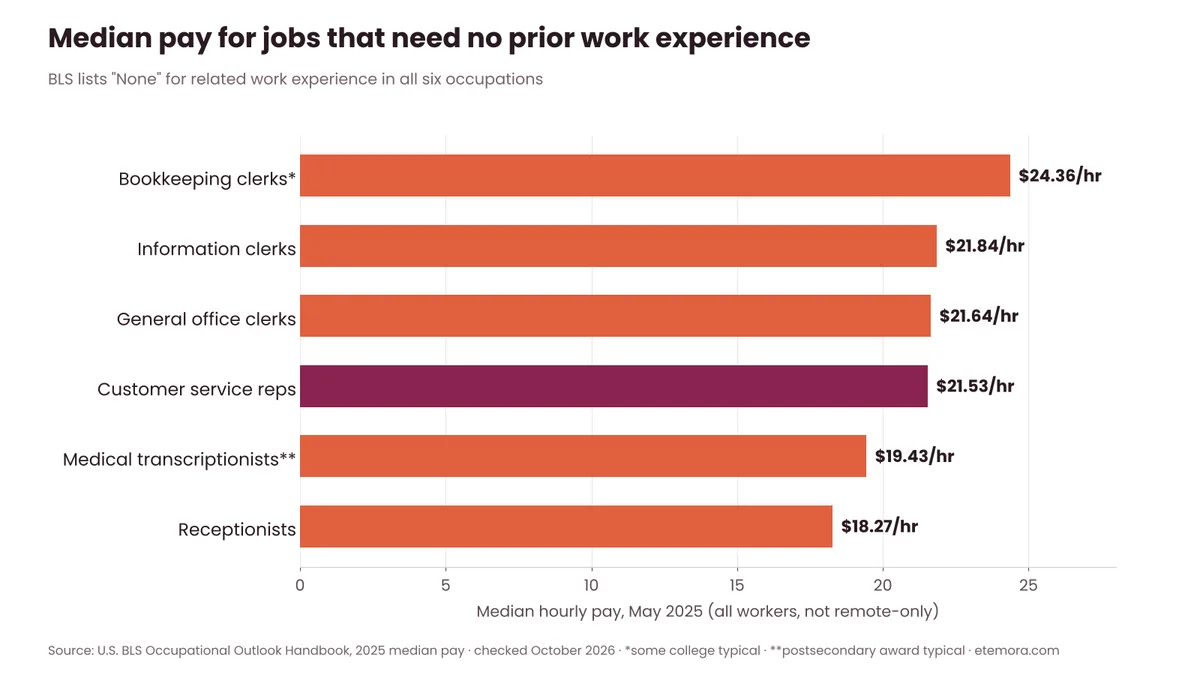
There is no single official figure for remote-only pay, but BLS publishes median pay for the occupations behind many remote jobs with no experience. Medians are the middle value for all workers in that job (new and experienced, remote and on-site), so starting pay is often lower.
| Occupation (BLS) | 2025 median pay | Typical entry education |
|---|---|---|
| Bookkeeping, accounting and auditing clerks | $24.36/hr ($50,670/yr) | Some college, no degree |
| Information clerks | $21.84/hr ($45,430/yr) | Varies by role |
| General office clerks | $21.64/hr ($45,010/yr) | High school diploma or equivalent |
| Customer service representatives | $21.53/hr ($44,770/yr) | High school diploma or equivalent |
| Medical transcriptionists | $19.43/hr ($40,410/yr) | Postsecondary nondegree award |
| Receptionists | $18.27/hr ($38,010/yr) | High school diploma or equivalent |
Task-based platforms work differently. Rev pays per audio minute, UserTesting pays per test, and Prolific pays per study, so your earnings depend on how much work is available to you and how fast you complete it. Treat these as flexible extra income until you know your real hourly rate.
Employee vs Freelancer: Which Path Fits You?
Before you apply for remote jobs with no experience, decide which kind of remote work you want. The two paths feel very different day to day, especially when it comes to taxes and fees.
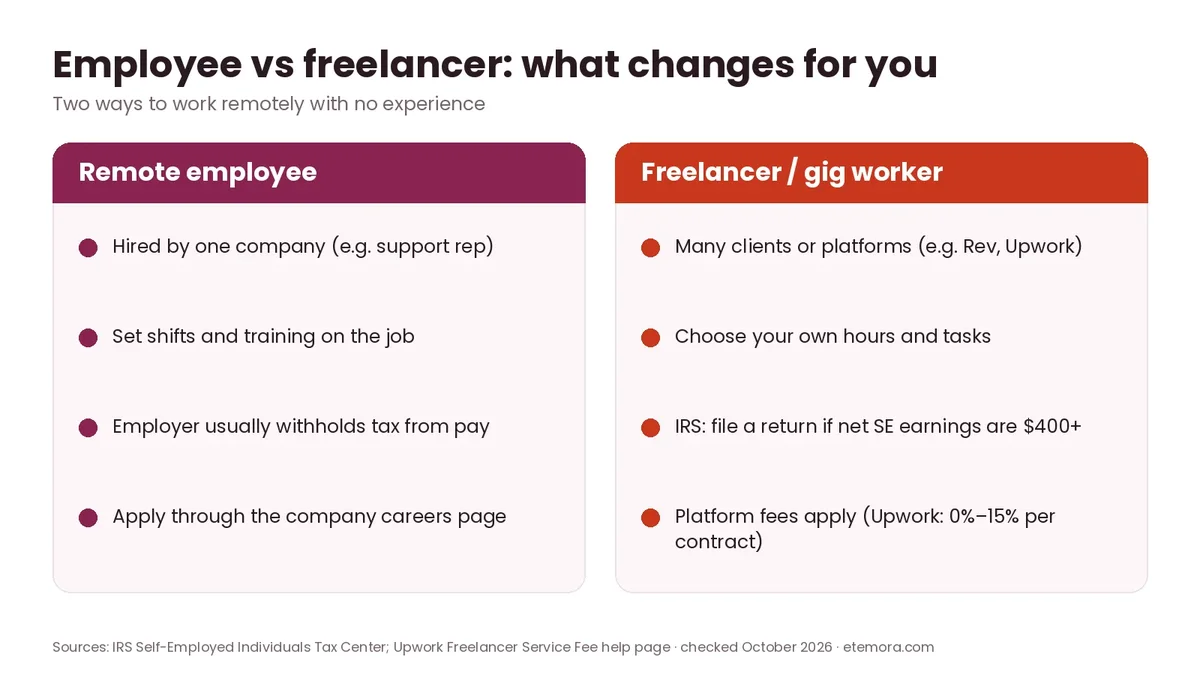
- Remote employee: one employer, set shifts, training on the job, and tax usually withheld from your paycheck. Best if you want predictable income.
- Freelancer or gig worker: several clients or platforms, your own hours, and your own taxes. Best if you need flexibility or already have a skill to sell.
Many people do both: a part-time employee role for stability plus a little task-based work on the side. If freelancing appeals to you, start with our guide to what freelancing is.
Where to Find Remote Jobs With No Experience
Where you search for remote jobs with no experience changes how many fake offers you see. Start with sources that already screen employers, then widen out.
- Company careers pages. Large employers post remote customer service and support roles on their own sites. Applying there avoids middlemen.
- Government job sources. The FTC points job seekers to USAJobs.gov for federal jobs, CareerOneStop (sponsored by the U.S. Department of Labor) for job listings and training programs, and USA.gov for local government openings.
- Remote job boards. Boards that focus on remote work let you filter for entry-level and part-time roles. See our list of the best remote job websites.
- Task platforms. Rev, UserTesting and Prolific (each covered above) are quick to join but limited in volume.
- Freelance marketplaces. Upwork and Fiverr connect freelancers with clients worldwide. Compare options in our roundup of the best freelancing platforms.
- Your own network. Local businesses, former teachers and friends often need help and are more likely to give a beginner a chance.
Choosing a freelance marketplace?
Compare Upwork vs Fiverr →How to Get Hired Without Experience
Remote jobs with no experience still ask for proof that you can do the work. A simple, focused plan beats sending dozens of copy-paste applications.
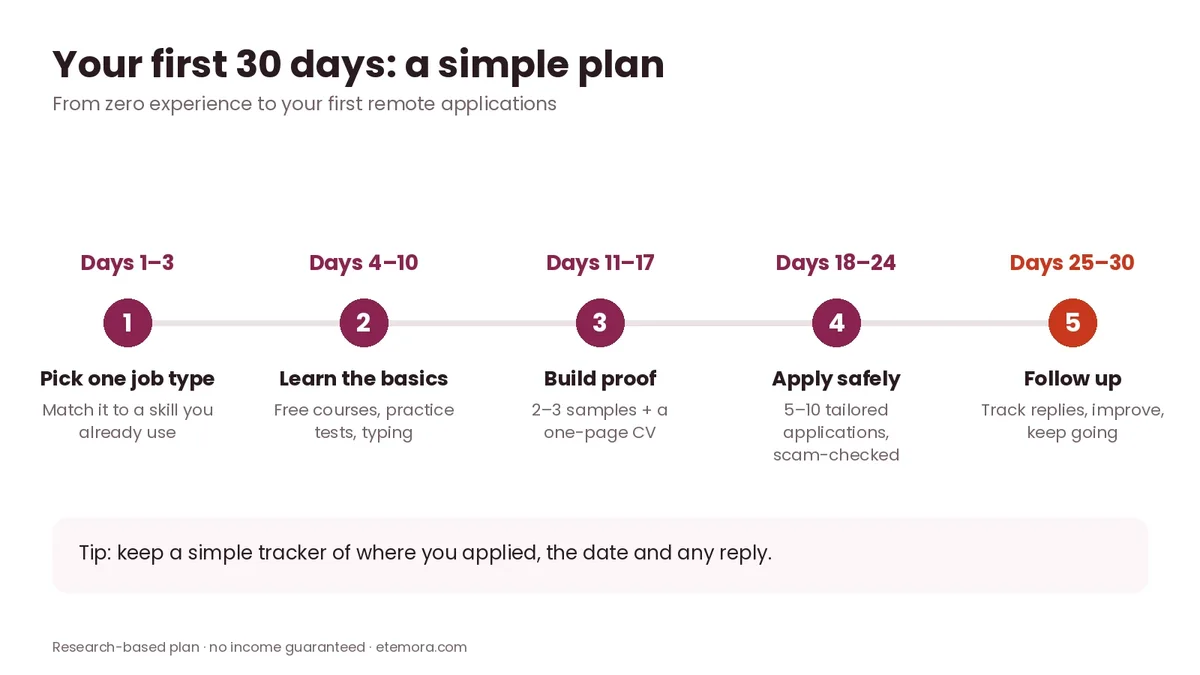
- Pick one job type. Match it to something you already do well, such as typing, explaining things on the phone or keeping things organised.
- Learn the basics. Free tutorials, typing practice and short courses help. Google Career Certificates, for example, say no prior experience is needed (check the page for the price in your country).
- Build proof. Two or three work samples, a short practice transcript or a one-page CV focused on transferable skills (customer contact, school projects, volunteering) is enough to start.
- Apply safely. Send five to ten tailored applications a week and check each employer against the scam red flags below.
- Follow up and improve. Track where you applied, the date and any reply. If nothing comes back after a couple of weeks, adjust your CV or try a different job type.
For remote roles, also check your setup: a reliable internet connection, a quiet space and a computer that meets the platform’s requirements. Testing platforms, for instance, list minimum device and upload-speed requirements in their FAQs.
How to Avoid Remote Job Scams
Beginners are a prime target. The FTC warns that scammers advertise jobs the same way honest employers do, online, on job sites and on social media, and that if someone promises a lot of money in a short time with little work, it is almost certainly a scam.
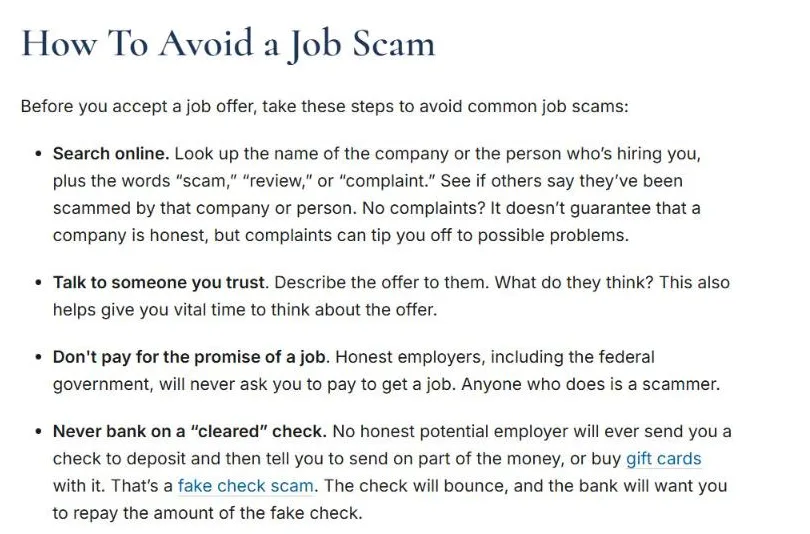
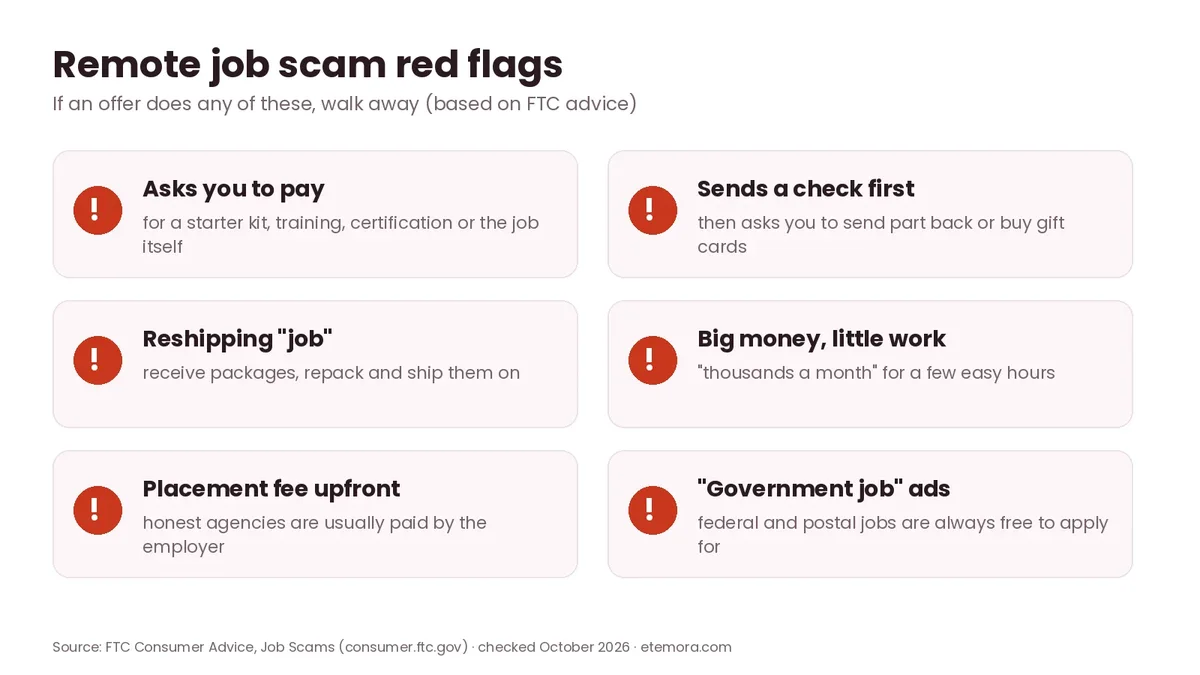
Based on the FTC’s job scams page:
- Don’t pay for the promise of a job. Honest employers, including the federal government, will never ask you to pay to get a job.
- Never bank on a “cleared” check. No honest employer sends you a check to deposit and then asks you to send part of it on or buy gift cards. The check will bounce and the bank will want the money back.
- Reshipping is never a real job. Receiving packages, repacking them and shipping them on is part of a scam, and the “payroll” details you gave may be used for identity theft.
- Search before you accept. Look up the company or person with words like “scam”, “review” or “complaint”, and talk the offer through with someone you trust.
- Report it. Report job scams to the FTC at ReportFraud.ftc.gov, and contact your payment provider straight away if you have already paid.
Protect your accounts too: use a unique password for every job site and turn on two-factor authentication. A password manager makes that easy.
Taxes and Platform Fees to Expect
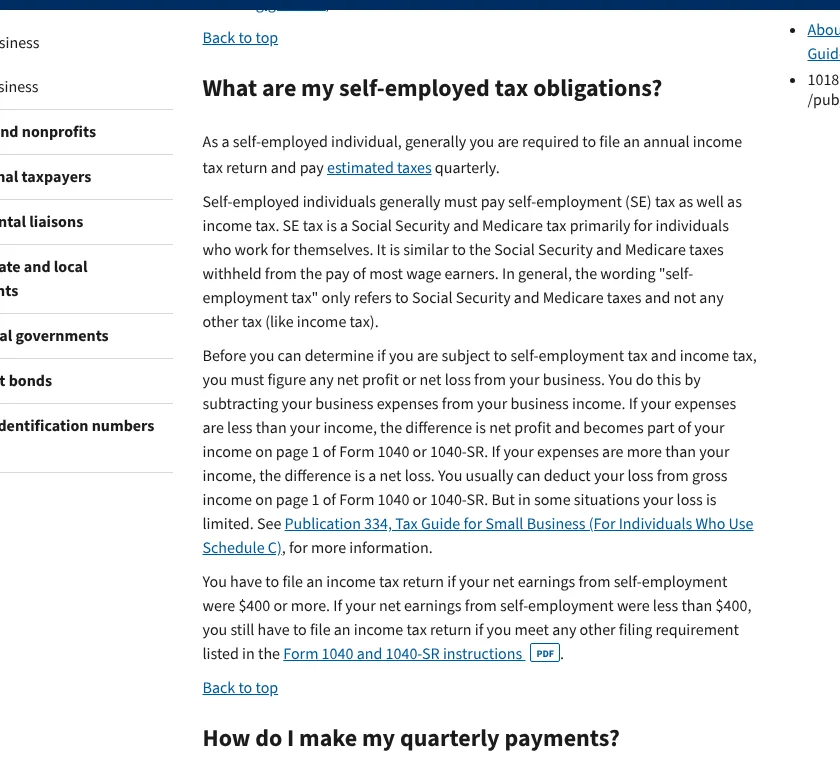
If you work as a remote employee, your employer usually withholds tax from your pay. Many remote jobs with no experience are freelance or gig work, though, and that income is treated differently. The IRS says that self-employed people generally file an annual return and pay estimated tax quarterly, and that you have to file an income tax return if your net earnings from self-employment were $400 or more.
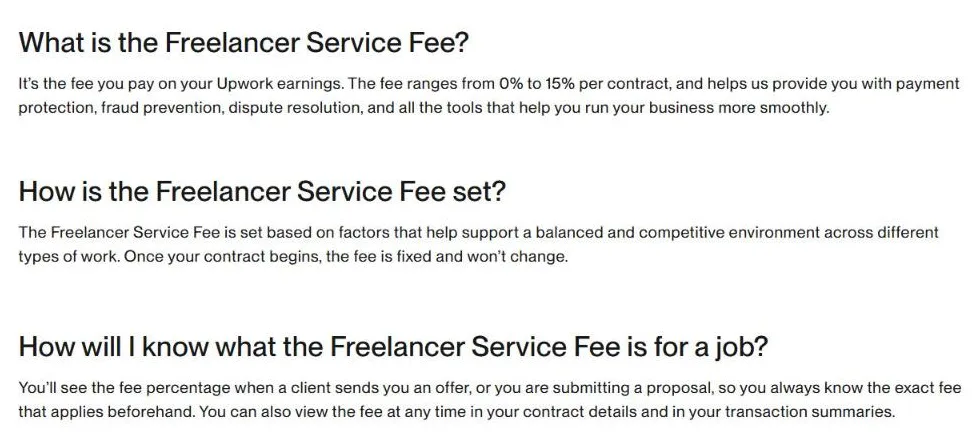
Platforms also take a cut. Upwork’s help center says its Freelancer Service Fee ranges from 0% to 15% per contract, is shown before you accept an offer or send a proposal, and stays fixed once the contract starts.
Keep a simple record of every payment and fee. This is not tax advice; if you are unsure, check with a tax professional or free tax help in your area.
How We Researched This Guide
This guide is research-based. We did not apply for or work in these jobs for this article. We used official sources only: the BLS Occupational Outlook Handbook (2025 pay data), the FTC’s consumer advice on job scams, the IRS self-employed tax center, and the official pages of Amazon, Rev, UserTesting, Prolific, Upwork and Google, all checked in October 2026. Platforms named here are examples, not endorsements, and we don’t promise any level of income. Read more about how we review.
Final Verdict: The Best Remote Jobs With No Experience
The best remote jobs with no experience are the ones that train you on the job or pay you for simple, clear tasks. For steady income, start with customer service, office support or virtual reception roles from real company careers pages. For flexible side income, transcription, captioning, website testing and research studies are quick to join, but treat them as extra money until you know your hourly rate. If you have one skill to sell, freelancing as a virtual assistant or offering a micro-service can grow into the best-paying path over time.
Whatever you choose, follow the 30-day plan, apply to a handful of well-chosen jobs each week, and run every offer through the FTC red flags. A real employer will never ask you to pay to work for them.
Ready to start applying?
Browse the Best Remote Job Websites →Frequently Asked Questions
What remote jobs can I get with no experience?
Common remote jobs with no experience are customer service, data entry and office support, transcription, captioning, website and app testing, online research studies, virtual assistant work, freelance micro-services, bookkeeping support and virtual reception.
Do remote jobs with no experience pay well?
Pay varies widely. BLS 2025 median pay for customer service representatives was $21.53 an hour, but starting pay is often lower, and task platforms pay per minute, test or study rather than per hour.
Do I need a degree for an entry-level remote job?
Usually not. BLS lists a high school diploma or equivalent as the typical entry-level education for customer service reps, general office clerks and receptionists, with no related work experience.
Is it safe to apply for work-from-home jobs online?
Yes, if you are careful. The FTC says honest employers never ask you to pay to get a job or to deposit a check and send money back. Search the company name with “scam” or “review” before you accept.
How fast can I start earning?
Task platforms can be quick once you are accepted, though some, like Prolific, use a waitlist. Employee roles take longer because of interviews and training, but they offer steadier pay.
Do I pay tax on freelance or gig income?
In the US, the IRS says you must file a return if your net self-employment earnings were $400 or more, and self-employed people generally pay estimated tax quarterly. Check with a tax professional for your situation.
Do freelance platforms charge fees?
Yes. For example, Upwork’s Freelancer Service Fee ranges from 0% to 15% per contract and is shown before you accept. Check each platform’s current fee page before you start.
Sources
- BLS Occupational Outlook Handbook: Customer Service Representatives
- BLS Occupational Outlook Handbook: General Office Clerks
- BLS Occupational Outlook Handbook: Bookkeeping, Accounting, and Auditing Clerks
- BLS Occupational Outlook Handbook: Receptionists
- FTC Consumer Advice: Job Scams
- IRS: Self-Employed Individuals Tax Center
- Upwork Help: Learn about the Freelancer Service Fee
- Rev: Freelance With Rev
- UserTesting: Get paid to test
- Prolific: Participants
- Amazon Jobs: Customer Service Jobs
Related articles you may like
 Make Money OnlineSide Hustles That Pay Daily: 10 Legit Ways to Get Paid Fast
 Make Money OnlineRemote Jobs for College Students: 12 Ideas, Tips and Scam Checks
 FreelancingWhat Is Freelancing? Complete Beginner’s Guide 2026
 FreelancingWhat Is Affiliate Marketing? Complete 2026 Beginner Guide
 FreelancingBest Remote Job Websites in 2026: 12 Platforms Compared
 FreelancingHow to Make Money Online in 2026: 15 Legit Ways & Platforms