
Remote Jobs for College Students: 12 Ideas, Tips and Scam Checks
 By M. Zaid
- Updated October 22, 2026
- 12 min read
Looking for remote jobs for college students? Working online lets you earn around your class timetable, skip the commute and build skills that look good on a CV. The catch is that the remote job market is also full of scams and low-quality offers, so it pays to know where to look and what to avoid.
This research-based guide covers 12 remote jobs for college students, how Federal Work-Study can include remote roles, where to find real openings, how to avoid job scams using FTC advice, and the tax basics from the IRS (all checked October 2026). It is written for US students, but most tips work anywhere.
Quick answer: The best remote jobs for college students are online tutoring, virtual assistant work, social media help, freelance writing, customer support, data entry, website and app testing, graphic design and remote research or internships. Start with your school’s career centre and financial aid office (for work-study), then use trusted job sites. Never pay to get a job, and remember that freelance earnings of $400 or more in a year can mean self-employment tax.
Want the best places to search?
See the Best Remote Job Websites →Remote Jobs for College Students: Quick Answer
Remote student jobs fall into three groups. Knowing which one you want makes the search much faster.
| Type | Examples | Good for |
|---|---|---|
| Part-time employee | Customer support, remote internship, work-study role | Steady hours and tax withheld from pay |
| Freelance / contract | Tutoring, writing, design, virtual assistant, translation | Choosing your own clients and hours |
| Micro-tasks | Website and app testing, surveys, short data tasks | Small amounts of extra cash in free time |
Employee roles give the most stability. Freelance work gives the most freedom and can grow with your skills. Micro-tasks are easy to start but rarely pay enough to cover big bills.
12 Best Remote Jobs for College Students
These are the remote jobs for college students that fit most class schedules and don’t need years of experience. Pay depends on the employer, your skills and where you live, so check each listing.
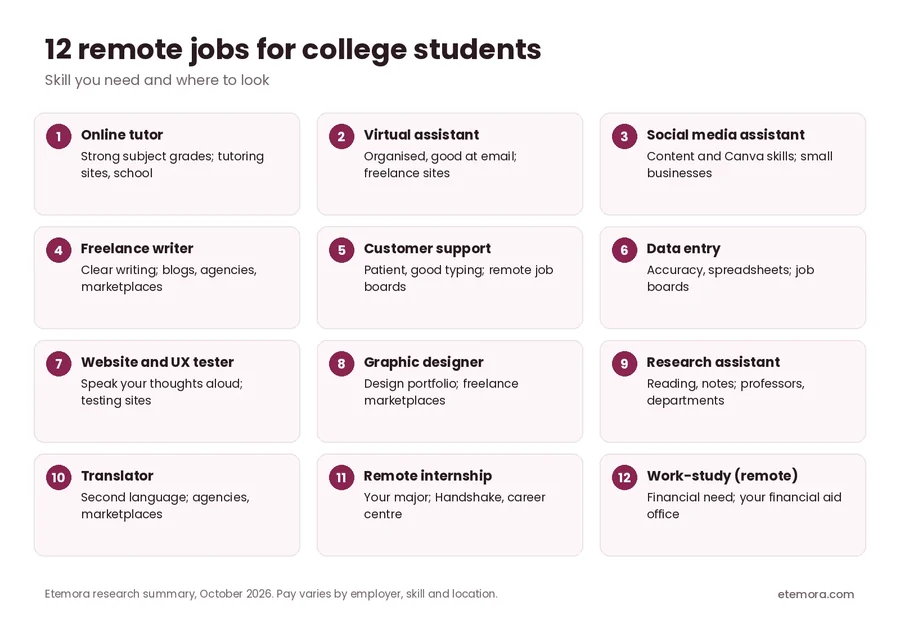
1. Online tutor
If you did well in a subject, you can tutor younger students or classmates online. Many schools hire peer tutors, and families often look for tutors for maths, science, languages and test prep.
2. Virtual assistant
Small business owners need help with email, scheduling, research and simple admin. If you’re organised and reply quickly, this is one of the easiest freelance jobs to start.
3. Social media assistant
Local shops and creators often need someone to plan posts, design simple graphics and reply to comments. Free tools such as Canva make it easy to build a small portfolio first.
4. Freelance writer
Blogs, agencies and small companies pay for articles, product descriptions and newsletters. Clear, well-researched writing matters more than a degree.
5. Customer support representative
Many companies hire part-time remote support staff for chat and email. You’ll need patience, fast typing and a quiet place to work.
6. Data entry
Data entry means updating spreadsheets, databases or online listings. It needs accuracy more than special skills, but it is also a common target for scams, so check employers carefully.
7. Website and app tester
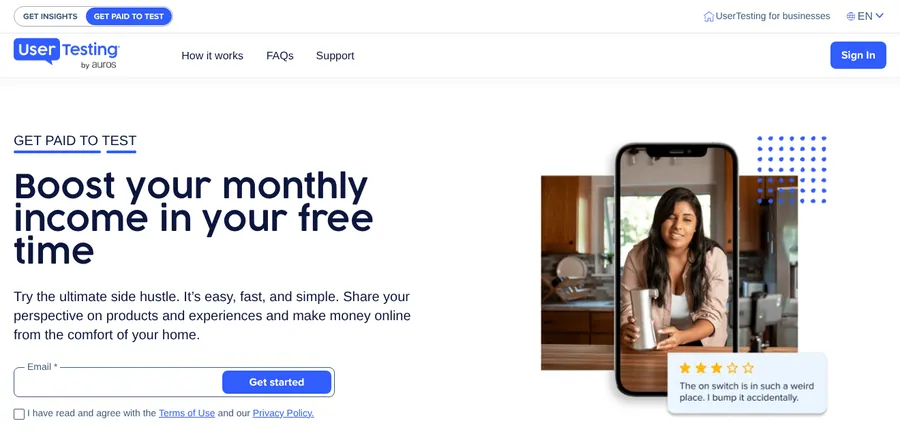
Usability-testing companies pay people to try websites and apps and say what they think out loud. UserTesting, for example, invites people to “share your perspective on products and experiences” and earn money online in their spare time.
8. Graphic designer
Logos, social media graphics, slides and simple brand kits are in steady demand. A small portfolio of real or practice projects is your best application.
9. Research assistant
Professors and university departments sometimes hire students to collect sources, take notes or clean data, and some of this work can be done remotely. Ask your department or check your school’s job board.
10. Translator
If you speak a second language well, you can translate documents, subtitles or product listings. Agencies and freelance marketplaces both post this work.
11. Remote internship
A remote internship in your field builds experience that helps after graduation. Your career centre and student job platforms are the best places to start.
12. Remote work-study job
If you qualify for Federal Work-Study, some roles may be remote. More on this below.
If you want ideas beyond student jobs, our guide on how to make money online covers more options.
Federal Work-Study: A Student-Only Option
Federal Work-Study is one of the most overlooked remote jobs for college students in the US, because it is reserved for students. According to Federal Student Aid, it provides part-time jobs for undergraduate, graduate and professional students with financial need, and it is available to both full-time and part-time students.
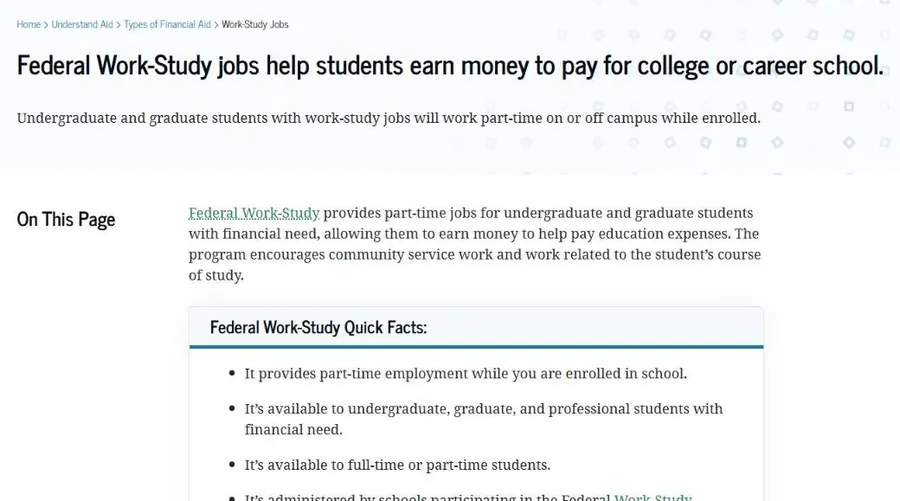
Key facts from the official page:
- Jobs can be on campus or off campus. Off-campus employers are usually nonprofits or public agencies, and the work must be in the public interest.
- The program emphasises civic education and work related to your course of study.
- You’ll earn at least the current federal minimum wage, and possibly more depending on the work.
- Undergraduates are paid by the hour, and your school must pay you at least once a month.
- Your award depends on when you apply, your financial need and your school’s funding. Funds are limited, so apply for aid early.
Whether a work-study role can be remote depends on your school and the job, so ask your financial aid office which positions allow remote work.
Where to Find Remote Jobs for College Students
Where you search matters as much as what you search for. Start with sources that already screen employers.
- Your career centre and school job board. These list campus roles, remote internships and work-study positions.
- Student job platforms. Handshake describes itself as a network for starting or restarting your career, with jobs and internships for students and graduates.
- Remote job boards. Sites that focus on remote roles let you filter for part-time and entry-level work. See our list of the best remote job websites.
- Freelance marketplaces. Upwork and Fiverr connect freelancers with clients worldwide; check each platform’s minimum age and fees in its terms. Our Upwork vs Fiverr comparison explains the differences.
- Your own network. Professors, family friends and local businesses often need help and are more likely to trust a student they know.

How to Get Hired Without Experience
Most remote jobs for college students don’t ask for years of experience, but they do ask for proof that you can do the work.
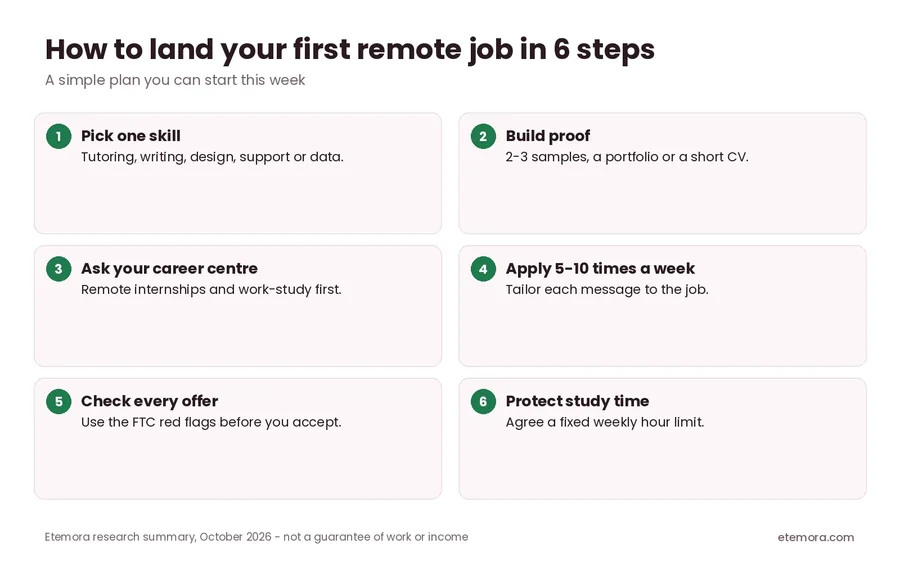
- Pick one skill to lead with. Tutoring, writing, design, support or data work are the easiest places to start.
- Build proof. Two or three samples, a simple portfolio page or a short one-page CV are enough at first. Freelancing beginners can read our guide to what freelancing is.
- Ask your career centre first. They know which employers hire students and can review your CV.
- Apply steadily. Send a few tailored applications each week rather than dozens of copy-paste ones.
- Check every offer. Run each one through the scam checks in the next section.
- Protect your study time. Agree on a fixed weekly number of hours before you start.
AI tools can help you draft cover letters and organise your week, but always check and personalise what they write. Our list of the best AI tools for students has some options.
Thinking about freelancing?
Compare Upwork vs Fiverr →How to Avoid Remote Job Scams
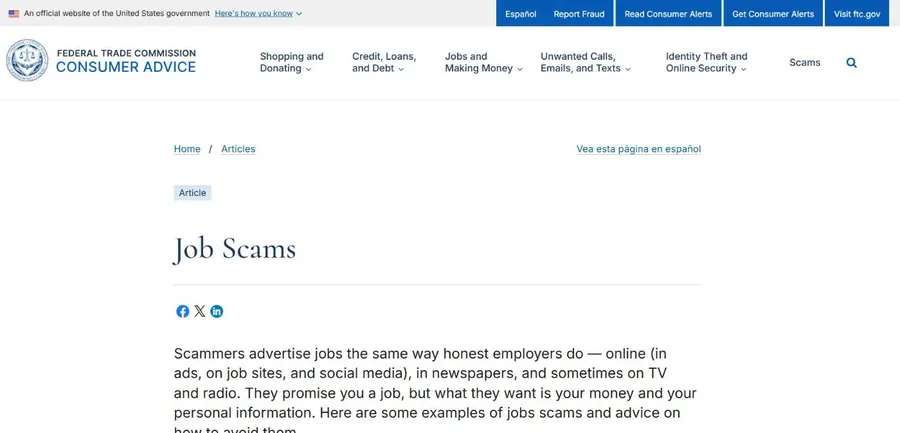
Students are a common target for fake job offers. The FTC warns that scammers advertise jobs the same way honest employers do, online, on job sites and on social media, but what they really want is your money and personal information.
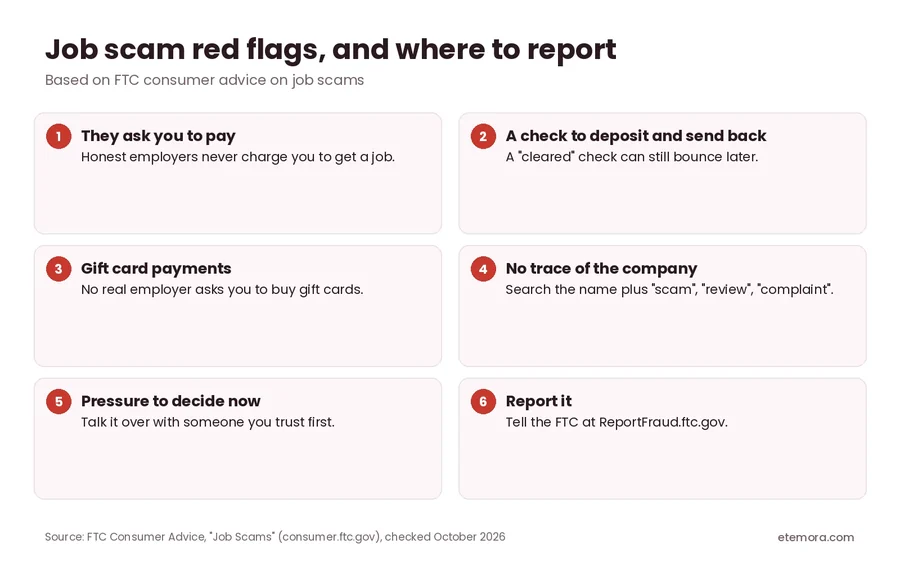
Based on the FTC’s advice, follow these rules:
- Never pay to get a job. The FTC says honest employers, including the federal government, will never ask you to pay to get a job.
- Never rely on a “cleared” check. No honest employer will send you a check to deposit and then ask you to send part of the money back or buy gift cards with it. The check will bounce and the bank will want the money back.
- Search the company. Look up its name with words like “scam”, “review” or “complaint”.
- Talk to someone you trust before you accept, which also gives you time to think.
- Report scams to the FTC at ReportFraud.ftc.gov.
Also protect your accounts: use a unique password for every job site and turn on two-factor authentication. A password manager makes this easy.
Taxes on Student Side Income
Many students don’t realise that freelance or contract income can be taxable. Here are the basics from the IRS for US students. This isn’t tax advice, so check with your school’s tax help or a tax professional if you’re unsure.
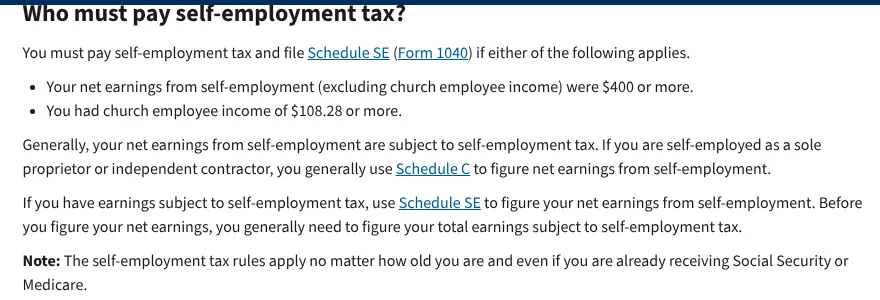
- The IRS says you must pay self-employment tax and file Schedule SE if your net earnings from self-employment were $400 or more.
- The IRS also notes that these rules apply no matter how old you are.
- Sole proprietors and independent contractors generally use Schedule C to work out their net earnings.
- As a self-employed person, you may need to pay estimated taxes quarterly.
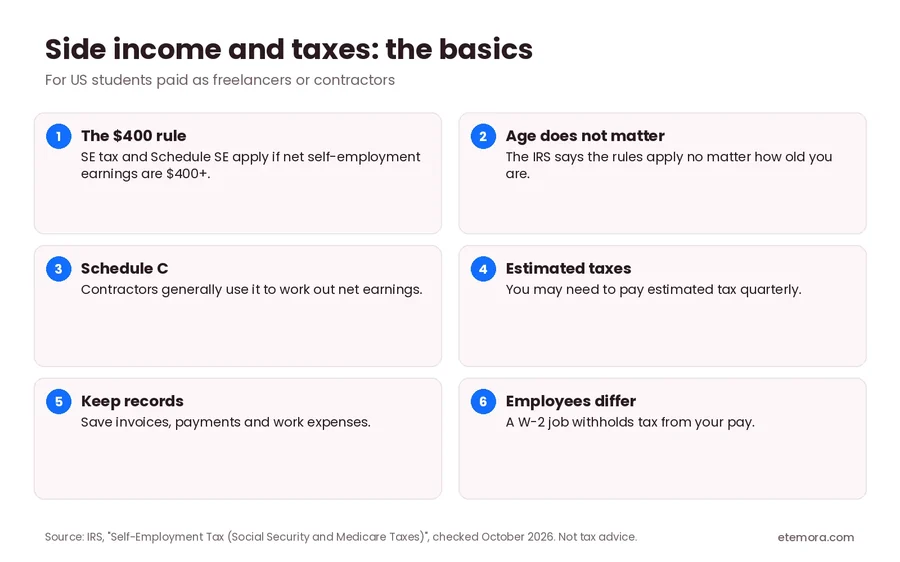
If you work as an employee (for example, a work-study job or a part-time support role on payroll), your employer usually withholds tax from your pay instead. Either way, keep a simple record of every payment you receive.
Balancing a Remote Job With Study
The best remote jobs for college students are the ones that leave room for classes, exams and rest. A few habits help:
- Set a weekly hour limit and tell your employer or clients at the start.
- Block your timetable first, then fit work around it, not the other way round.
- Plan for exam weeks by working ahead or agreeing lighter weeks in advance.
- Choose flexible work (freelance or task-based) if your schedule changes every term.
- Keep one workspace for both study and work so you can switch focus quickly.
How We Researched This Guide
This guide is research-based. We did not apply for or work in these jobs for this article. Facts come from official sources: Federal Student Aid (studentaid.gov), the FTC’s consumer advice, the IRS and the companies mentioned, all checked in October 2026. We don’t promise any level of income. Read more about how we review.
Final Word: Remote Jobs for College Students
Remote jobs for college students can pay for books, rent or savings while building real experience. Start with your career centre and financial aid office, lead with one skill, and apply to a few well-chosen jobs each week. Check every offer against the FTC red flags, and keep records of what you earn in case the IRS $400 self-employment rule applies to you. Most of all, protect your study time: the right job fits around your degree, not the other way round.
Ready to start searching?
Browse the Best Remote Job Websites →Frequently Asked Questions
What are the best remote jobs for college students?
Good options include online tutoring, virtual assistant work, social media help, freelance writing, customer support, data entry, website and app testing, graphic design, research assistant roles, translation and remote internships.
Can I get a remote job with no experience?
Yes. Many student-friendly jobs, such as tutoring, data entry, testing and virtual assistant work, focus on reliability and basic skills. A few work samples and a short CV help you stand out.
Can Federal Work-Study jobs be remote?
Federal Work-Study jobs can be on or off campus, and whether a role can be remote depends on your school and the job. Ask your financial aid office which positions allow remote work.
How many hours should a student work?
There is no single rule. Many students choose a fixed weekly limit that leaves enough time for classes and exams. Check whether your scholarship, visa or work-study award sets its own limits.
Do I have to pay tax on freelance income as a student?
In the US, the IRS says you must pay self-employment tax if your net self-employment earnings are $400 or more, and the rules apply no matter how old you are. Check with a tax professional for your situation.
How can I tell if a remote job is a scam?
The FTC says honest employers never ask you to pay to get a job, and never send you a check to deposit and pay part of it back. Search the company name with “scam” or “review”, and report scams at ReportFraud.ftc.gov.
Where can college students find remote jobs?
Start with your career centre, your school’s job board and student platforms such as Handshake. Then try remote job boards and freelance marketplaces such as Upwork and Fiverr.
Sources
Related articles you may like
 Make Money OnlineSide Hustles That Pay Daily: 10 Legit Ways to Get Paid Fast
 Make Money OnlineRemote Jobs With No Experience: 10 Real Options for 2026
 FreelancingWhat Is Freelancing? Complete Beginner’s Guide 2026
 FreelancingWhat Is Affiliate Marketing? Complete 2026 Beginner Guide
 FreelancingBest Remote Job Websites in 2026: 12 Platforms Compared
 FreelancingHow to Make Money Online in 2026: 15 Legit Ways & Platforms